South Africa is a diverse country at tip Africa – the world’s second-largest as well as the most populous continent. South Africa counts several bordering countries such as Namibia, Botswana, Zimbabwe, Mozambique, and Swaziland. With a population of almost 60 million, South Africa is truly part of the African continent. Moreover, our Constitution is considered one of the most progressive in the world and recognises the use of eleven official languages.
The country has emerged from a turbulent past and since the first democratic elections in 1994, unity is sought through diversity in a place where all people are now equal.
What to do in South Africa?
With a long coastline that stretches almost 3000 kilometres across two oceans and a climate that ranges from desert to subtropical, South Africa is truly a unique place to visit.
From breathtaking beaches of KwaZulu-Natal and Western Cape to expansive game reserves like Kruger National Park and picturesque winelands like in Stellenbosch, South Africa offers both domestic and international tourists a wide variety of options.
One fun fact!
Did you that South Africa is three times the size of Texas and five times the size of Japan? Surprising!
Emergency numbers
The South African Police are reachable at any time on 10111.
Time
South Africa’s time is GMT + 2.
Getting there
South African airports gather many of the world’s major airlines with direct flights to every continent on a daily basis. South Africa’s three main gateway airports are:
Oliver Tambo International Airport (JNB) in Johannesburg
Below we unpack the main differences between the world-famous Kruger National Park and Greater Kruger Park, which although not as famous as its larger neighbour, offers in our opinion a superior safari experience.
Greater Kruger Park (GKP)
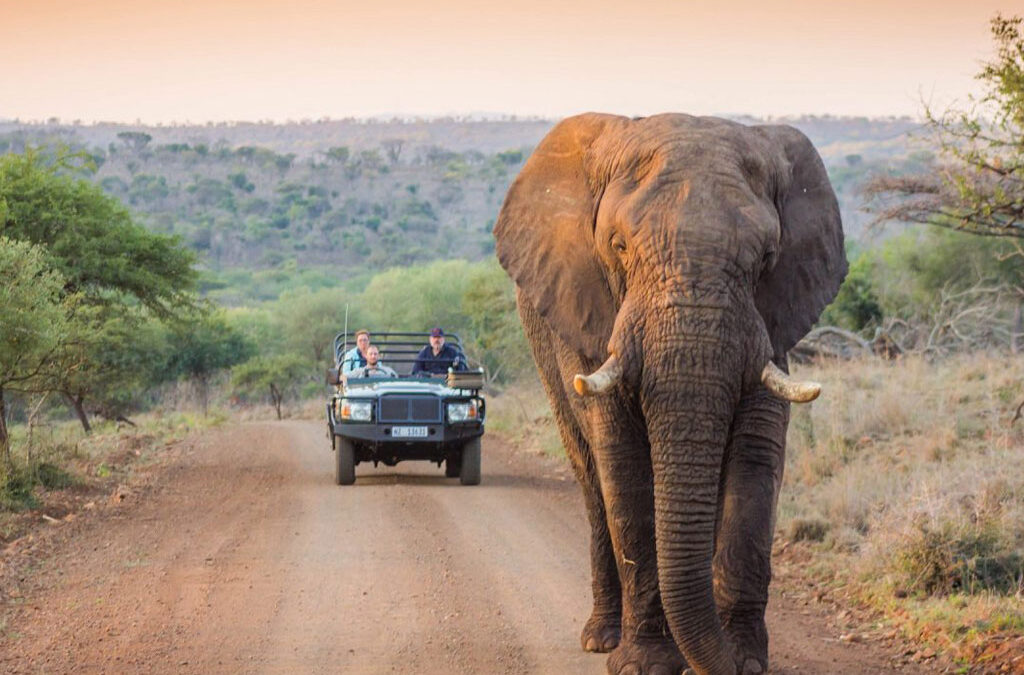
The term Greater Kruger Park is used to describe a number of private game reserves situated along the recently unfenced mid-western border of the Kruger National Park when private landowners saw the benefit of joining the iconic national park to allow game to flow freely through the area. One of the main advantages of a safari here is that there are limited amounts of persons as one has to be staying in one of the private lodges and for this reason, you will experience a less crowded safari with no more than two game vehicles per sighting. Also, in our opinion you will enjoy more exciting game drives as most properties allow real off-road game viewing in their 4×4 open safari vehicles, getting you right up close to the animals. Finally, the smaller lodges here are more up-market than the rest camps found in the Kruger National Park and thus offer a more exclusive safari experience.
Kruger National Park (KNP)
The Kruger National Park consists of a 20,000 km2 area in the north-east of South-Africa, run by government controlled Sanparks. Here you will be able to do a self-drive safari in your own vehicle, although along with everyone else which at times does lead to traffic jams around sightings with a general lack of game viewing etiquette. There is a good network of tar and gravel roads, keep to the speed limits and do not go off road anywhere in the Kruger National Park. You are also NOT allowed to get out of your vehicles (seriously some people have and are not around anymore!) unless in the safety of the ring fenced rest camps.
The park has several of these rest camps accessible to day or overnighting visitors, of which most have a shop and a restaurant to stock up on supplies or enjoy a nice meal and stretch the legs a little. There are well appointed signs leading you to the rest camps and several points of interest.
Which one to choose?
Because the border between the two parks in unfenced, the flora and fauna found in both areas is basically the same. But if you’re on safari for your very first time and don’t feel like driving in the Kruger National Park yourself, then a safari in the Greater Kruger Park might be the best option. In the all-inclusive lodges, the staff will take care of every aspect, while you can relax and enjoy your Big 5 African Safari experience. If you’re looking to enjoy a self-drive safari, then the Kruger National Park has a choice of well priced rest camps spread around the park which you can book direct with Sanparks here, or you can stay in one of the surrounding towns. You can also combine the two parks easily and explore the best of the two worlds!
Parting shot: When planning a South African itinerary with a safari element, we always suggest spoiling yourself with an upmarket private safari lodge experience and saving a little on the accommodations in places like Cape Town, as you will be outdoors exploring the city most of the time anyway.
To learn more about the Kruger Park in general and what to bring on a safari, please read our blog post here.
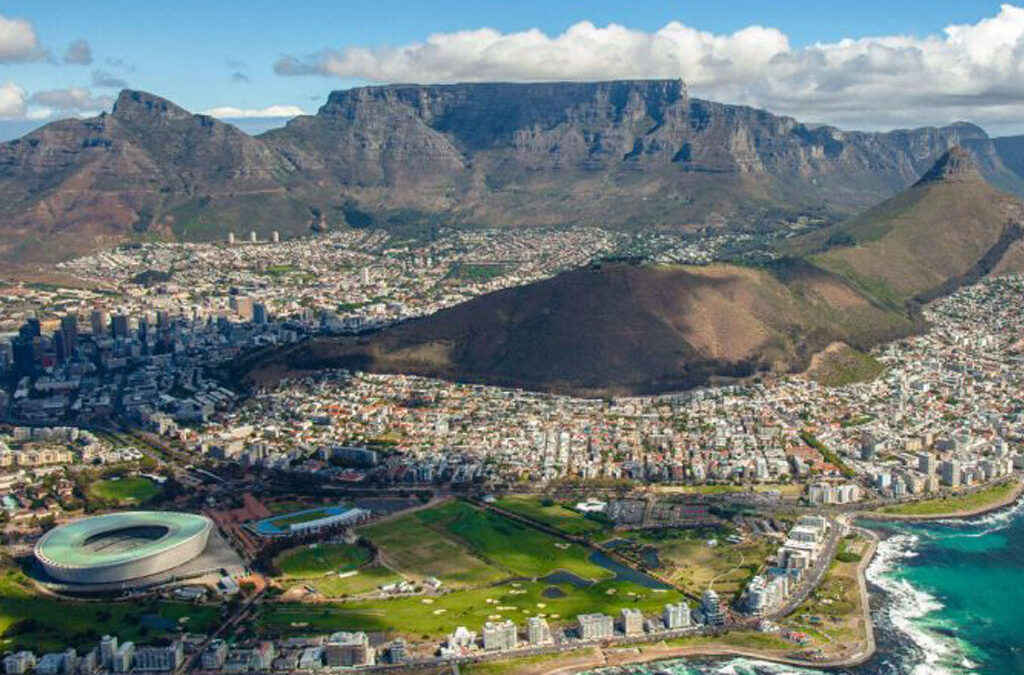
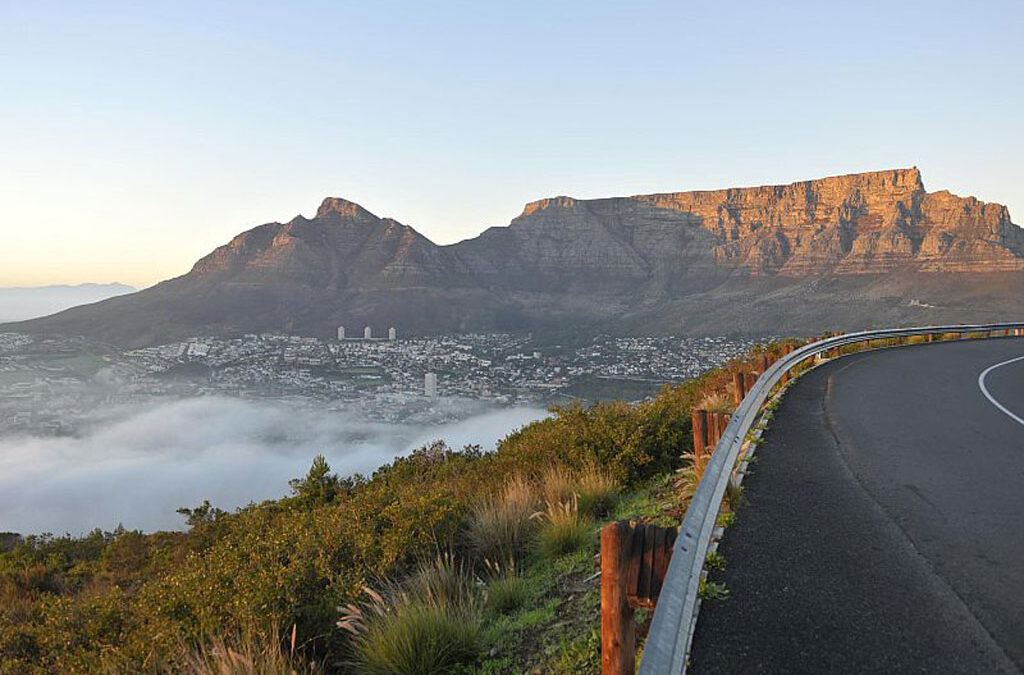
For those that will be visiting the lovely Mother City in July this year, its good to know that the Table Mountain Aerial Cableway Company has announced it will be closing once again for its annual maintenance period.
The cableway will undergo it’s annual maintenance (this is a good thing) from the 7th – 27th July 2020 and (notwithstanding any issues) will reopen on Tuesday, 28th July 2020. This certainly does not mean the mountain is off limits so the more adventurous can still enjoy using any of the beautiful trails to hike up, down or around our natural wonder of the world
It’s happening! After all this time you will finally go on a Safari: Game Drives, the Big Five and maybe even a Safari Walk are on the top of your list, but … what do you bring?
There are multiple things that are super convenient and that really contribute to the most amazing safari experience you can get. The following list provides you with the most important stuff you need before you start your new adventure:
Sunscreen: easily forgotten but very important. Imagine being out in an open safari vehicle with the sun in your face and the wind blowing through your hair. Sounds amazing, but looking in the mirror afterwards might be a bit of a rude awakening. You don’t want to miss out on all the animals because they’ve already spotted your red nose before you could even come close!
Insect repellent and long clothes to protect you (in the early mornings and early evenings). Make sure you’ve got socks that cover your ankles at dusk and dawn when the mosquitos are around the most. During the day you are fine with shorts and a T-shirt.
Flashlight, binoculars and photographic equipment. Of course you have to bring some awesome photos back home with you.
Money for lunch and hydration on transfer days to your safari destination and for those long days in the national parks and private game reserves.
Closed walking shoes, sunglasses and swimming gear to cool off from the midday heat in the swimming pool, not at the many watering holes!
Casual neutral-coloured clothes by day and a pullover for the sunset drive. It can get quite cold in the evenings so make sure you have something warm and comfortable to wear for activities that take place in the evening or at night.
Pair of flip flops in case your other shoes get wet.
Last but not least: a good pair of eyes to spot the magic of all of those hidden animals! Don’t worry on your first few game drives if you struggle to spot game, your eyes will soon adjust and become bush savvy.
If you make sure you have the above things with you on your trip, it could just give that little extra comfort to the Safari!
Malaria risk
In general, Kruger National Park and surrounding areas are low risk malaria areas. However, our rainy months from December to March bring a higher risk. Therefore, we recommend discussing preventative medication with your medical practitioner or travel clinic.
Travel insurance
We strongly recommend to all our guests that they obtain comprehensive travel insurance. Please ensure that you have adequate travel insurance to cover cancellation penalties. Special insurance may be required if you undertake any extreme or potentially dangerous activities (e.g. adrenalin or endurance sports).
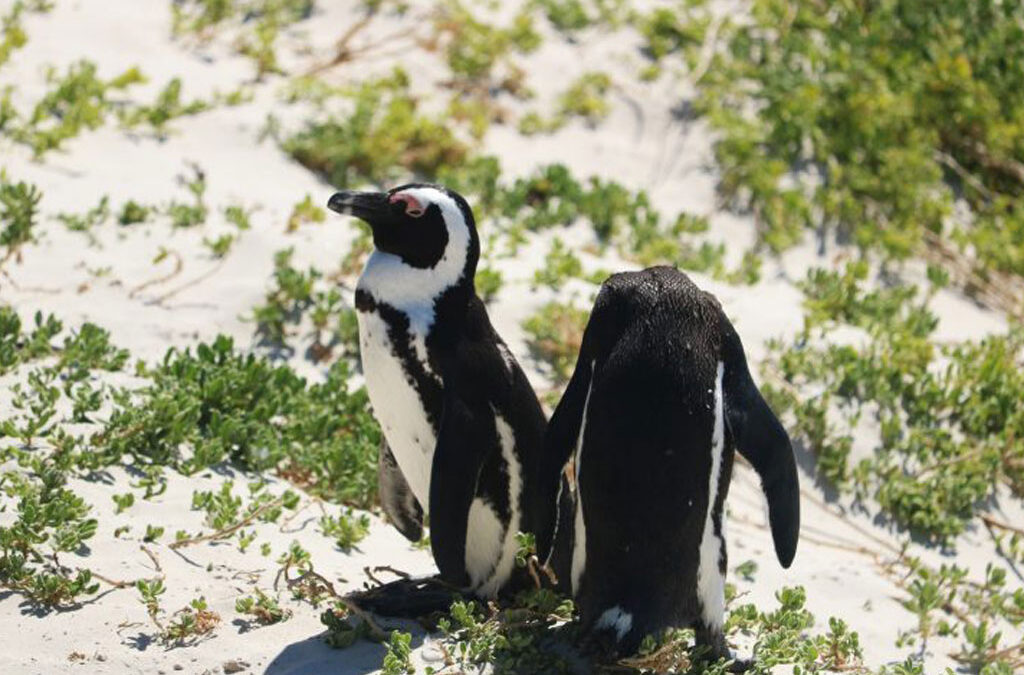
Penguins are normally seen surrounded by snow, ice and cold conditions. But there is one species however, that likes the sun just as much as we do. While most penguins are huddling up to stay warm, the African Penguin waddles around in the sand and occasionally catches a wave to stay cool. The following facts will give you some more information about these true African surfer dudes:
As the name suggests, African Penguins live in Africa. They are usually seen in colonies that can be found from southern Namibia all the way around the South African coast to Port Elizabeth. But the most famous (and probably the coolest) spot to visit these tuxedoed chaps is just outside Cape Town at Boulders Beach on the Cape Peninsula.
The African Penguin is often called by it’s peculiar nickname: the Jackass Penguin. This nickname arose because of their donkey-like braying sound they use to communicate. So don’t be startled when you think you hear a donkey at the beach, it’s probably one of our little friends coming to say hi! And another name for this penguin is the black-footed penguin.
African Penguins are covered in water-proof and dense feathers. Even though temperatures in Africa are quite pleasant throughout the whole year, the water can be extremely cold. The black and white feathers keep the penguins warm when they go out for a swim or hunting. The feathers are also very convenient for camouflage. Whereas the white belly will blend with the light as predators look up from down below, the black backs blend (try saying that 6 times without failing) with darker seas when there’s predators coming from above.
African penguins have an average lifespan of 10-15 years. However, many do not reach this age and populations have been decreasing for a while. Overfishing and pollution are a great cause of this problem. Luckily the penguins are now considered endangered and many try to solve the problems so that the penguins can hopefully live a long and happy life.
The only thing cuter than the full-sized penguins are probably their chicks. African Penguins breed within their colonies, it means they don’t travel places to give birth. The Penguins create burrows which they dig out themselves and create with their own excrement, called guano. These burrows will be their nests for the coming chicks and are perfect for protecting the young ones against the sun and predators. It takes two caring parents and 2-4 years for these fluffy balls to fully mature.
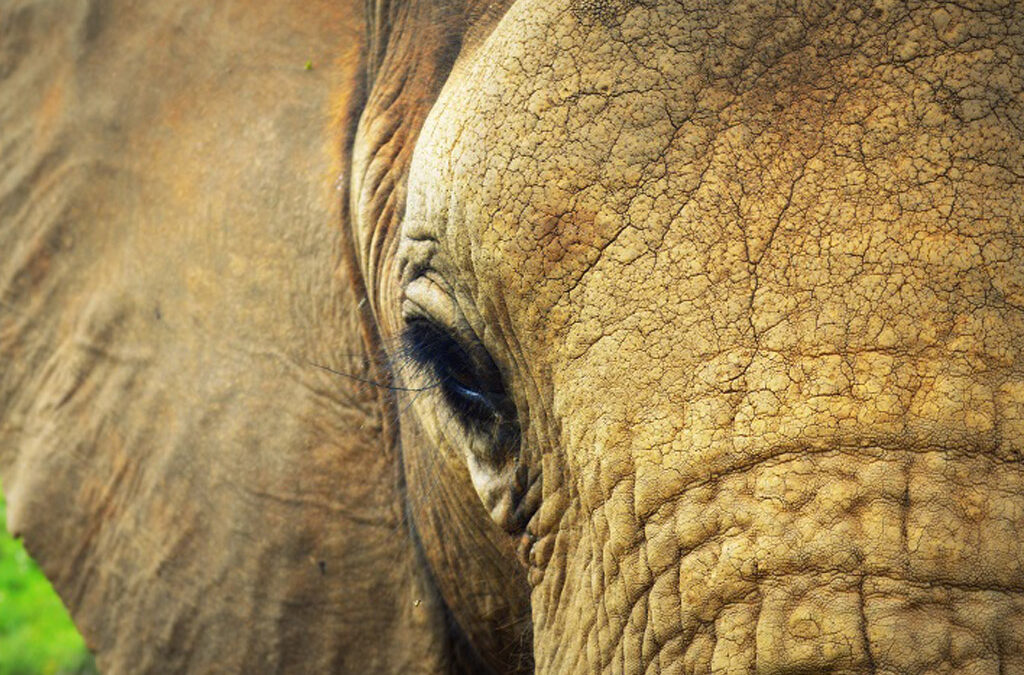
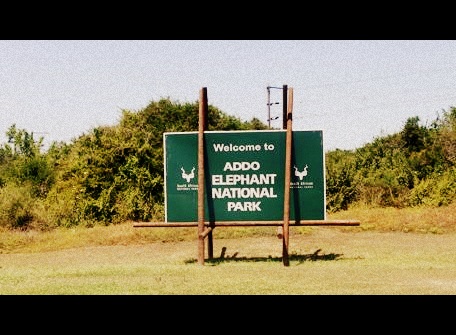
The Addo Elephant Park is one of the most popular attractions in South Africa and home to the Big 5.
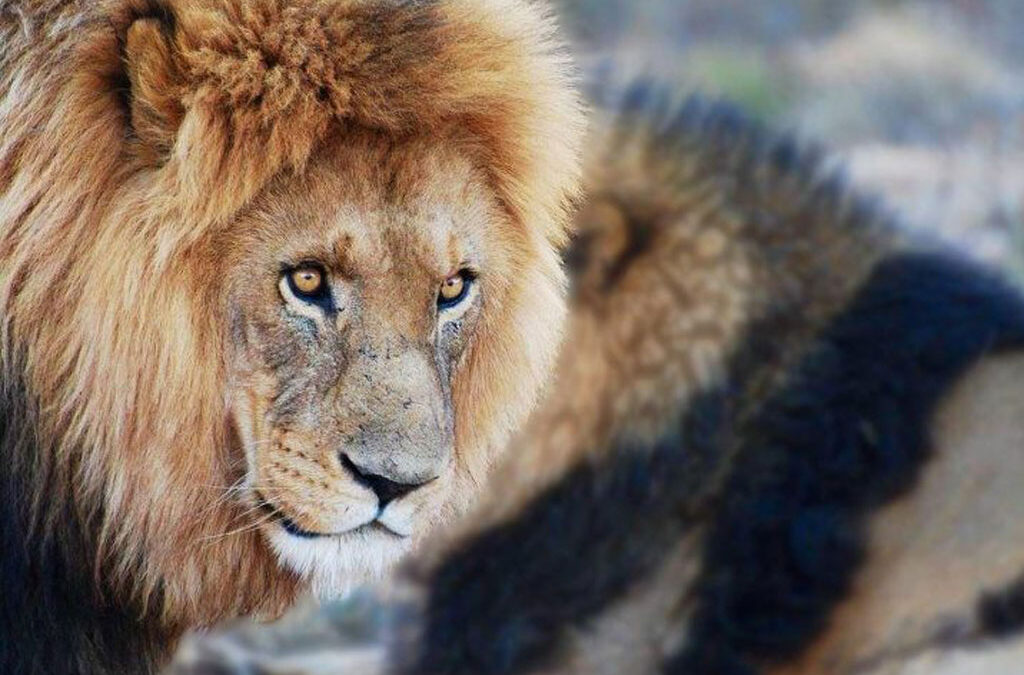
The Addo Elephant National Park was established in 1931 and is located in the Eastern Cape province, about 70 kilometers north east of Port Elizabeth. With its 1640 km² it is the biggest park in the area. This national park is home to many herds of elephants, along with many other species such as buffalo, rhino, lion, leopard, different antelope and many, many more.
A visit to the Addo Elephant National Park provides a great chance to see the big 5 in their natural environment. In addition you can combine it with a safari in one of the other nearby private game reserves or a holiday along the Garden Route. For example you can start your Garden Route Tour in either Port Elizabeth or in Cape Town, or possibly this park is visited on one of our South African Multi Day Tours.
Addo is malaria free and does not require a booking for a day visit, unless the visitor wants to partake in optional activities. There is fuel available in the park.
What else you should bring:
binoculars
bring a camera for the best quality photos of the park
Opening hours and rates:
the main entrance is open all year round from 7 am to 7 pm
the opening hours for the game area are shorter and vary dependent on the season
the entrance fee is R130 for adults and R65 for children(subject to change)