All, Family, Good to know, Hotspots
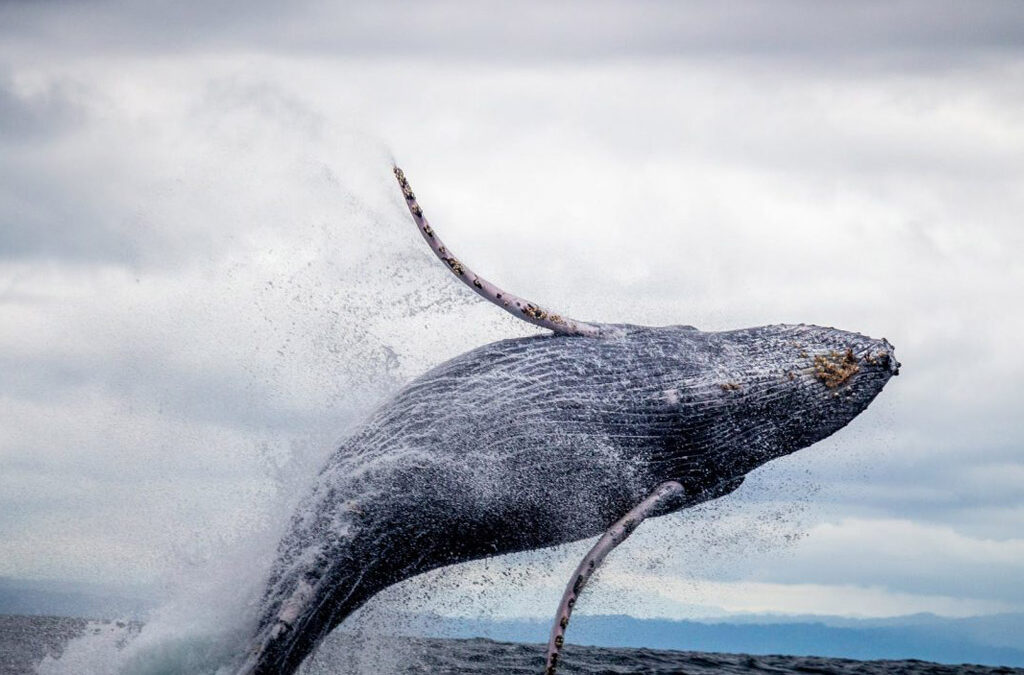
Whales have arrived!
Although we are still experiencing certain levels of lockdown as we navigate our way through the COVID-19 pandemic around the world, it is so good to see nature taking centre stage the past few months with some amazing animal sightings a lot closer to home than one would have expected.
We have also just received our first snow of the winter which funnily enough coincided with the return of the migratory Southern Right Whales to our shores from Antarctica. Maybe it was nature’s way of welcoming these giants back, waving the white flag so to speak that all is still fine along our South African shores for these gentle giants to come and safely calve in our sheltered bays.
Did you know?
Although the Southern Right Whales are spotted along most of our South African coastline, Hermanus is considered one of the best land-based whale-watching destinations in the world.
Whale-watching in Hermanus
Hermanus, along the beautiful shores of Walker Bay, is the official whale-watching capital of Africa. Surrounded by majestic mountains and indigenous fynbos, it is the heart of the whale coast and offers the best land-based whale-watching in the world.
The annual Whale Festival, usually held in September, is highly popular and attracts over 100, 000 visitors. Created to raise awareness and to help protect marine life, the Hermanus Whale Festival is the only enviro-arts festival in South Africa. Although the festival draws top South African musicians, crafters and sports celebrities, the whales are always the star attractions of the event and cause thousands of visitors to return to Hermanus year after year.
In addition to breathtaking whale watching from the cliffs and the boats, Hermanus offers many natural attractions such as mountain walks and bird watching, as well as great surfing spots and plenty of excellent accommodation available.
The art of whale-watching
When looking to sight a Southern Right Whale, the easiest method is to scan the ocean surface for their v-shaped blow or spout – a tall, smoky plume lasting a few seconds. This is the whale breathing out just as it surfaces and one can also confirm this species by their lack of a dorsal fin. If you see a whale thrust high out of the water and fall back with a great splash, you were lucky enough to see a whale breaching.
Averaging around 15 metres in length and up to 60 tonnes in weight, individual whales can be identified year after year by the callosities pattern on their heads, kind of like their fingerprint. In fact, they have strong maternal connections with the locations and gene pools they are born into with females usually returning to their birth spots to calve.
Other activities in Hermanus
If you’re drawn to Hermanus for its whale sightings, there are plenty of reasons for you to stay and explore this quaint, pretty town. For the adventurous types, you can go mountain biking or abseiling, enjoy sea cruises to Dyer and Geyser Islands to see sharks, penguins and seals, take the plunge and go scuba diving, kick up some dirt while quad biking and take in the landscape while horse riding.
For the less adventurous, the smooth bays and tranquil lagoons offer lovely kayaking opportunities or a gentle boat cruise from nearby Stanford if you’re a bird lover. Fernkloof Nature Reserve is popular among hiking and photography enthusiasts, and golfers will be thrilled to discover an award-winning course at the Arabella Country Estate.
There are also many markets, such as the Fernkloof Farmers’ Market, Hermanuspietersfontein Boeremark and Lemm’s Corner Craft Market every Saturday and the Onrus Market once a month.
Wine & Craft Beer Tasting!
The Hemel-en-Aarde Valley behind Hermanus has become famous in its own right with fantastic award-winning wines being produced year after year. This valley is best known for its elegant, cool-climate wines made from Chardonnay and Pinot Noir, although the Sauvignon Blanc, Pinotage and Cabernet Sauvignon also contribute to the valley’s many awards. Estates such as Creation, Newton Johnson, Bouchard Finlayson, Southern Right and many more are waiting to be enjoyed over a slow lunch or dinner.
For craft beer lovers, the nearby Hemel & Aarde Microbrewery and Hermanus Brewery offer award-winning lagers and ales, along with the more established Birkenhead Brewery in Stanford, just east of Hermanus.
Want to discover the beautiful whales of Hermanus?
The Southern Right Whales have arrived so contact us to book a Private Hermanus Whale & Wine tour or possibly we can customise a multi-day tour to this area and include so many more highlights.
Share your experience with us on social media with #AfricanBlueJourneys
All, Company, Good to know, Hotspots, Wildlife, Wine
QUICK FACTS ABOUT SOUTH AFRICA
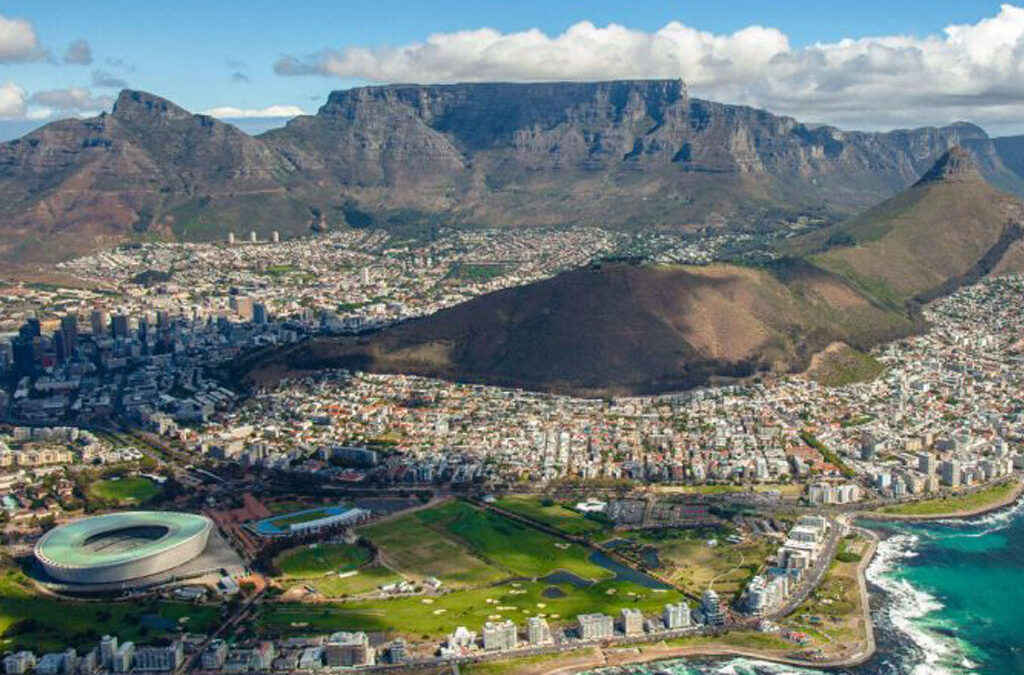
South Africa is a diverse country at tip Africa – the world’s second-largest as well as the most populous continent. South Africa counts several bordering countries such as Namibia, Botswana, Zimbabwe, Mozambique, and Swaziland. With a population of almost 60 million, South Africa is truly part of the African continent. Moreover, our Constitution is considered one of the most progressive in the world and recognises the use of eleven official languages.
The country has emerged from a turbulent past and since the first democratic elections in 1994, unity is sought through diversity in a place where all people are now equal.
What to do in South Africa?
With a long coastline that stretches almost 3000 kilometres across two oceans and a climate that ranges from desert to subtropical, South Africa is truly a unique place to visit.
From breathtaking beaches of KwaZulu-Natal and Western Cape to expansive game reserves like Kruger National Park and picturesque winelands like in Stellenbosch, South Africa offers both domestic and international tourists a wide variety of options.
One fun fact!
Did you that South Africa is three times the size of Texas and five times the size of Japan? Surprising!
Emergency numbers
The South African Police are reachable at any time on 10111.
Time
South Africa’s time is GMT + 2.
Getting there
South African airports gather many of the world’s major airlines with direct flights to every continent on a daily basis. South Africa’s three main gateway airports are:
Oliver Tambo International Airport (JNB) in Johannesburg
Cape Town International Airport (CTIA)
King Shaka International Airport (DUR) in Durban
Now that you have read some quick facts about South Africa, click on the following links to find out about our private Cape Town day tours, options for longer multi-day packages through South Africa, and our many safari options here!
Let African Blue Tours provide you with the best of Southern Africa on one our private tour and safari experiences.
Share your experience with African Blue Tours and tag us on social media with #AfricanBlueJourneys.
All, Hotspots, Wildlife
Covering over 3,6 million hectares of land in both South Africa and Botswana, the Kgalagadi Transfrontier Park’s red dunes, scrub and camel thorn trees creates a stark, dramatic and beautiful landscape in which meerkat, gemsbok, eland, springbok, blue wildebeest, black-mane lion and leopard roam free.
Soaring above this picture perfect landscape are raptors, hungry for one of the many birds that exist here. The park has three different camps; one of these being Nossob Rest Camp.
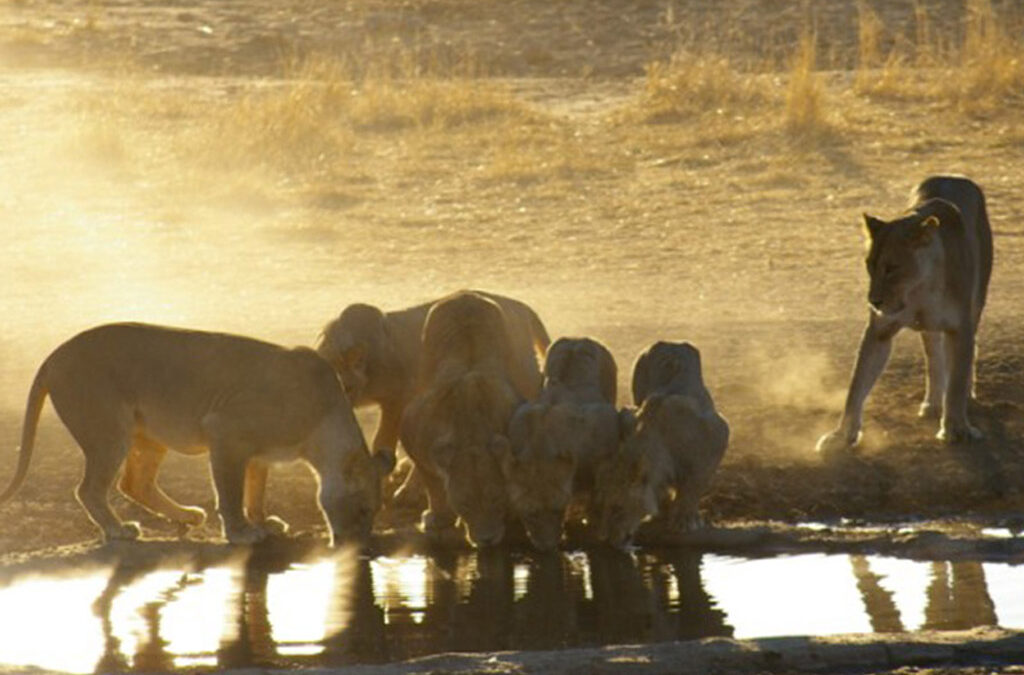
Lion spotted just outside Nossob camp
Nossob camp is located within the dry riverbed of the Nossob, surrounded by tree savannah. As guests enter the gate from the south, they will pass a small tree that has become a favourite day home for White-Faced Scops-Owls. Since the animals of the park tend to concentrate at dry riverbeds, the camp is known for its fantastic predator sightings and bird watching opportunities, made better because of the park’s sparse vegetation. Also famous at this camp are the incredible scenes of the seasonal movement of large herbivores.
Nossob cottagesThe camp offers two-person, three-person and four-person chalets, all with a pergola, braai and bathroom with shower as well as a six-person chalet with added lounge and bath.
There are guest houses accommodating groups of four and a family cottage for six. Accommodation is available only on a self-catering basis, but there are communal cooking facilities and a shop with tins and frozen meats and occasional fresh vegetables.
Lions gather in front of the hideDuring a stay at the camp, guests can go on night drives, day walks or the Nossob 4×4 Eco Trail. To enjoy the camp without venturing too far, they can visit the predator information centre, sit at the hide and view game as they gather around a waterhole or cool off in the camp’s small swimming pool.
The best time to visit this arid region is usually between January and April. In summer, day temperatures can exceed 40°C and winter days are sunny with night temperatures often below zero.
Nossob Camp is a simple camp, which allows visitors to enjoy nature at its wildest and most peaceful. Getting back to the basics in this tranquil, magnificent part of the world allows one to get in touch with nature just as it is – wild, untouched and awe-inspiring.
All, Hotspots, Wildlife
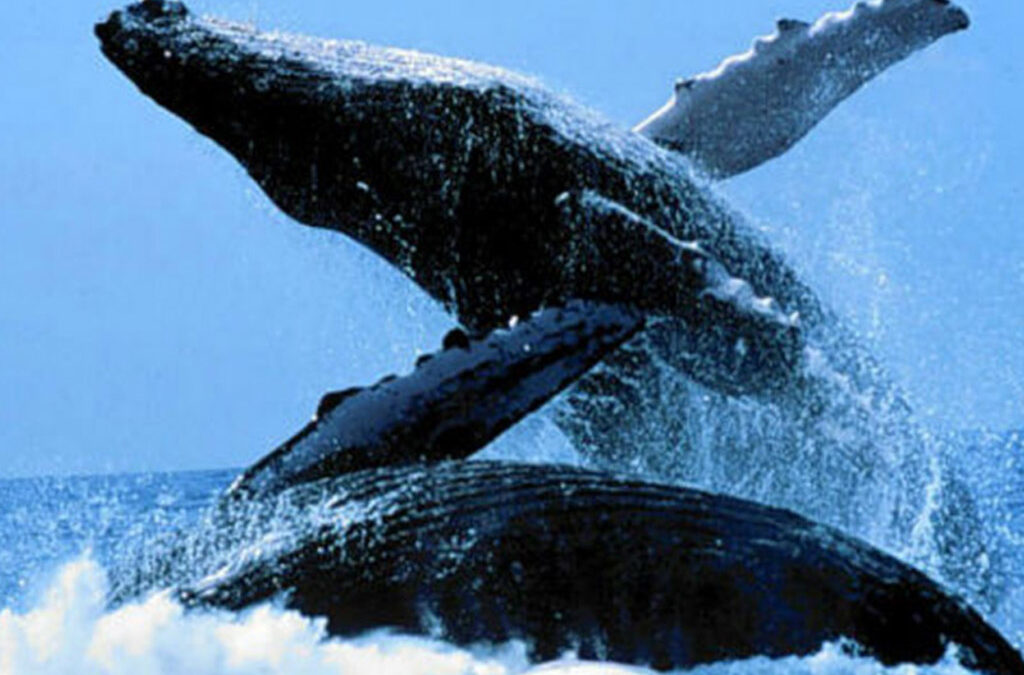
South Africa’s southern cape is known to offer fantastic whale-watching opportunities. What makes whale-watching in this region such an exciting activity is the fact that, by simply standing at the shore, you can participate!
South Africa’s shores are home to all nine of the great whale species, but it is the Southern Right Whale that is most commonly seen. These whales visit our shores between May and December.
Whale-watching in Hermanus
Hermanus, along the beautiful shores of Walker Bay, is the official whale-watching capital of the world. A popular holiday destination, Hermanus has spectacular scenery. Surrounded by majestic mountains and indigenous fynbos, it is the heart of the whale coast, offering the best land-based whale-watching in the world.
Between New Harbour and Grotto Beach, the best whale-watching points can be found along concrete cliff paths that line the coast. Here, spectators can be treated to phenomenal, up-close views of these whales that come from the Antarctica to calf. Sightings can occur within 10 metres of the coast!
So synonymous with whale-watching is Hermanus, that a festival is held in honour of this activity. The annual Whale Festival, held usually in September, is highly popular and attracts over 100, 000 visitors. Created to raise awareness and to help protect marine life, the Hermanus Whale Festival is the only enviro-arts festival in South Africa. Although the festival draws top South African musicians, crafters and sports celebrities, the whales are always the star attractions of the event and cause thousands of visitors to return to Hermanus year after year.
Other activities in Hermanus
If you’re drawn to Hermanus for its whale sightings, there are plenty of reasons for you to stay and explore this quaint, pretty town. Activities include horse riding, paragliding, kayaking, shark cage diving, fishing, hiking, plane trips, swimming and sunbathing. There are many opportunities for retail therapy with a great selection of galleries, fashion boutiques and jewellery shops. There are many markets, such as the Fernkloof Farmers’ Market, Hermanuspietersfontein Boeremark and Lemm’s Corner Craft Market which are held every Saturday and the Onrus Market held once a month.
Southern Right Whales
Southern Right Whales are black with pale, brownish callosities. They are stately creatures that are extremely intelligent, graceful, gentle and majestic. They live for between 90 and 100 years. The whales migrate south from the sub-Antarctic water during the summer, in search of more food, and north during winter and spring to mate, calve and rear their young. Female whales calve nurse their young for up to three months in sheltered bays. They can be seen interacting in these sheltered bays and coves close inshore and near river mouths.
The art of whale watching
When looking to sight a whale, look for the blow or sprout – a tall, smoky plume lasting a few seconds. This is the whale breathing out before it surfaces. If you see a whale thrust high out of the water and fall back with a great splash, you were lucky enough to see a whale breaching.
All, Hotspots
As a new Capetonian and former East Londoner (that little dorp on the Eastern Cape coast near the newly famed Port Elizabeth), you can imagine how much fun I’m having in theMother City. The number of beautiful places to visit and exciting things to do is never-ending and assures Cape Town residents that they need not ever step out of their own city. However, as an aspiring world traveller, I decided that a day trip to Cape Agulhas, the Southernmost tip of Africa, had to be done. So, together with two friends, we organised a rough plan of action, got in a car, and off we went early one morning.
Our first port of call was Hermanus, South Africa’s whale watching centre. Tea in hand, we settled down on one of the many sea-facing benches and waited. This didn’t last very long. My sidekicks soon decided that ten minutes in the wind with no sight of back-flipping whales was enough for them and they returned to the confines of the warm car. Disappointed by a lack of whale watching camaraderie but eager to continue our adventure, we drove on.
The sights seen during the drive soon cheered me up. Even with some clouds and a chilly wind, the scenery was unbelievable. At one point I thought my sunglasses must be more powerful than I thought and were perhaps coated with some sort of laser dye because the colours were so bright. Then I reminded myself that I had bought them for R20 from the side of the street, took them off, and realised that the grass really was that green and the flowers that yellow. Our chauffeur (i.e. friend delegated to drive) mentioned that he felt like we were in Scotland. I murmured in agreement even though neither of us have ever been to Scotland. I guess that was the best comparison we could come up with to describe how beautiful our surroundings were.
After about three hours from our departure, which included the many times I asked that we stop in order to take advantage some of the amazing photographic opportunities (our chauffeur soon learnt that a raised hand meant “stop, I must play photographer”), we arrived at our destination.
Driving along Cape Agulhas’s curving coastal road, the attention-grabbing red and white striped lighthouse was in our sights. After parking the car underneath the towering lighthouse, we stepped inside, paid a small fee with a woman whom my friend began to refer to as the “friendly lady” and cautiously climbed our way up. There, we realised that this lighthouse enjoyed a fantastic view. The Indian and Atlantic Oceans stretched out before us, sending white waves crashing against the rocky beach. Spotting our ultimate destination (the southernmost point of Africa), we made our descent and browsed around the little museum, trying to ignore the mouth-watering aroma of home-cooked meals being prepared in the cafe next door. After deciding that we could tick off “learn about the history of lighthouses” on our non-existent travel check list, we followed the dirt road closer to the sea. A few minutes later, we arrived at the monument that pointed to the Indian Ocean in one direction and the Atlantic Ocean in the other.
At this point, I imagined looking at a map of Africa filled with little black dots representing all of its inhabitants. Feeling rather special about my location, I indulged my inner child by climbing in rocks and exploring transparent rock pools. Our grumbling tummies had soon had enough, however, and we made our way back towards civilisation, the smell of fish and chips leading us by our noses.
Following the advice of the “friendly lady”, we chose a casual seafood restaurant and satisfied our stomachs with fresh fish and calamari. Spotting a quaint thatch-roofed house directly opposite advertising “wine tasting”, we decided this was a sign and participated in some Cape Agulhas wine tasting.
Shortly after, it was time to head back so we sadly said goodbye to this quaint little seaside village but were excited for what the drive home had in store for us.
About half an hour after passing Hermanus, we reached Kleinmond. We stopped near this little town at some impressive rock faces. Whipping out our gear, we began a short hike towards these intimidating rock masses and geared up for attack. Scaling that natural wall, the sound of smooth-running engines propelling cars along the highway below, the powerful yet calm sea taking over the scenery on one side and quiet streams meandering through magnificent mountains on the other, has got to be one of the most amazing experiences I have ever had. Although I could have gladly stayed in that exact spot for hours (on the mountain, not against the rock face – that could have resulted in a fair amount of pain the next day), it was getting late and we had to drag ourselves away from this spectacular position and move on.
Continuing on the R44 past Betty’s Bay, we enjoyed another breathtaking drive, this time along the coast. Although hand was inching to raise itself many a time, I resisted the amateur photographer inside me, and the chauffeur finally stopped the car at a fantastic viewpoint near Gordon’s Bay. We watched in awe as the sun began lowering towards the expanse of sparkling blue water. Needing to get home before dark, we had to pull ourselves away from this gorgeous view and set our sights on the city ahead of us. Fortunately, no matter where you are when the sun sets in Cape Town, you’re going to be treated to a beautiful spectacle. For us, we got to see yellows, oranges and pinks streak the sky as the sun, now a round orange ball, sunk in a gap between Lion’s Head and Table Mountain.
Silence filled the car as we neared home. Sitting back in the seat and enjoying the last glimmer of light, I could only smile.
So this is why I moved to the Western Cape.
Attractions in Cape Agulhas
- Cape Agulhas wine route
- Agulhas National Park
- Red Corridor Art Gallery
- Cape Agulhas lighthouse (second oldest lighthouse in South Africa)
- Other popular destinations around Cape Agulhas include Bredasdorp, Napier and Arniston
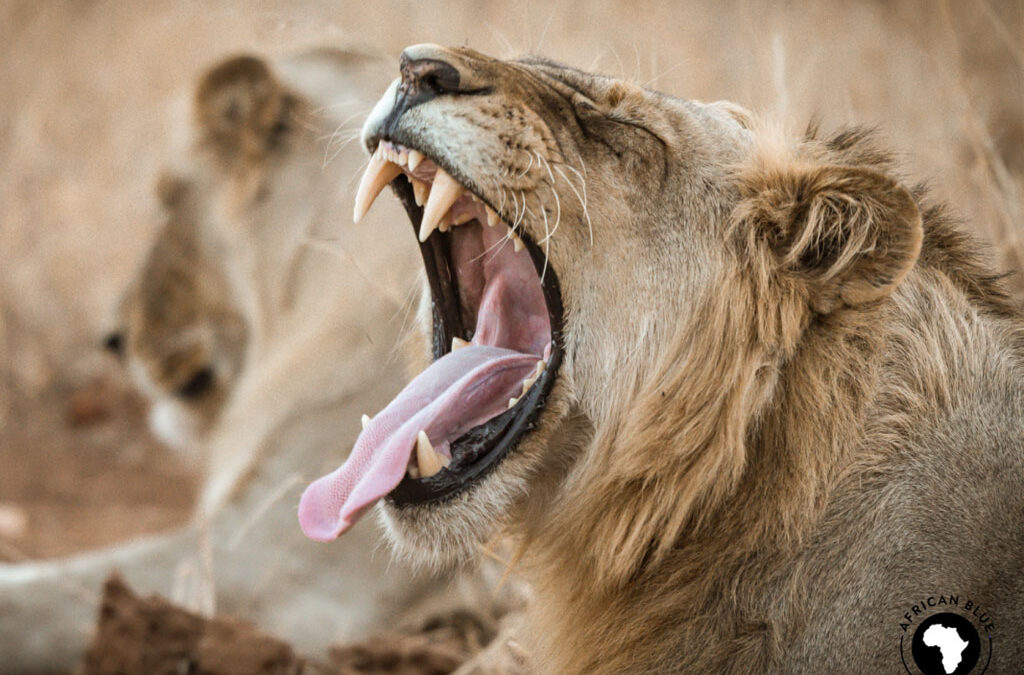
All, Good to know, Hotspots, Wildlife
The most famous game-viewing area in South Africa is the world-renowned Kruger National Park, in Mpumalanga. At about 350km long, and on average, 60km wide – makes it about the same size as Wales. The oldest National Park in Africa, visitors have been enjoying Kruger Park Safaris since it was officially opened to the general public in 1927. It has 147 species of mammal, (including the Big 5), 114 reptiles (50 snakes), 49 fish, 34 amphibians, 227 butterflies, 336 trees and 507 birds.
Greater Kruger
Although a National Park, there are many private game reserves situated on its western border and 14 private concessions within the park. The fences between these reserves and the Kruger National Park have for the most part come down making it a vast area of game-rich territory. This area is also called Greater Kruger and in our opinion offers a more adventurous game drive experience as most properties allow real off-road game viewing in their 4×4 open safari vehicles.
How to get there:
The area is accessible by domestic flights from Johannesburg into Skukuza, Hoedspruit, Kruger Mpumalanga Airport (KMIA), Malelane and Phalaborwa, or from Cape Town into Hoedspruit and Kruger Mpumalanga Airport (KMIA). By road, it takes a 5-6 hour drive from Johannesburg, through very beautiful scenery.
Most of our Kruger Park Safaris are via road transfers from Johannesburg departing in the early morning. There is also the option of flying into Nelspruit, Skukuza or Hoedspruit and other smaller airports from Johannesburg’s OR Tambo International. Please note that flight costs and in some instances airport transfers to the various accommodations are additional costs to the tour package rate.
Temperatures:
Spring (September to November): 18 – 30 Degrees Celsius
Summer (December to February): 25 – 35 Degrees Celsius
Autumn (March to May): 15 – 28 Degrees Celsius
Winter (June to August): 12 – 25 Degrees Celsius
When to go:
Autumn and winter are dry and the bush is less dense, which makes game viewing easier. Animals visit the waterholes more often, due to the lack of abundant water in the bush.
What to bring:
- Informal and comfortable clothes
- A windbreaker or warm jacket for winter.
- A raincoat /waterproof for summer months.
- Comfortable walking shoes
- Swimming costume, sun block & sunglasses
- Long clothing and mosquito repellent
- Binoculars and a camera / video camera
Malaria
Kruger National Park is a malaria risk area of South Africa however you should take some simple precautions like wearing long clothing and applying mosquito repellent spray, there is little chance of infection. Anti-malaria prophylactics are recommended for visitors to Kruger during the higher risk rainy season from December to April as an additional barrier of protection, however not compulsory.
A 24-hour malaria hotline is available on +27 (0)82 234 1800 to give detailed explanation on risk and advice on precautionary measures, you can also view our government website here. Visitors wishing to take prophylactics should consult a knowledgeable medical practitioner or recognized travel clinic about recommended medication, as certain products cause nausea, hallucinations or other negative side effects with certain people.
If you show flu-like symptoms 2 weeks after your safari, then consult a Doctor immediately and inform them of your recent safari to Kruger National Park.
You can view our full selection of Kruger Safaris here, we are ready to assist in anyway to make this experience a reality for you.