
Kruger National Park and Greater Kruger Park
Below we unpack the main differences between the world-famous Kruger National Park and Greater Kruger Park, which although not as famous as its larger neighbour, offers in our opinion a superior safari experience.
Greater Kruger Park (GKP)
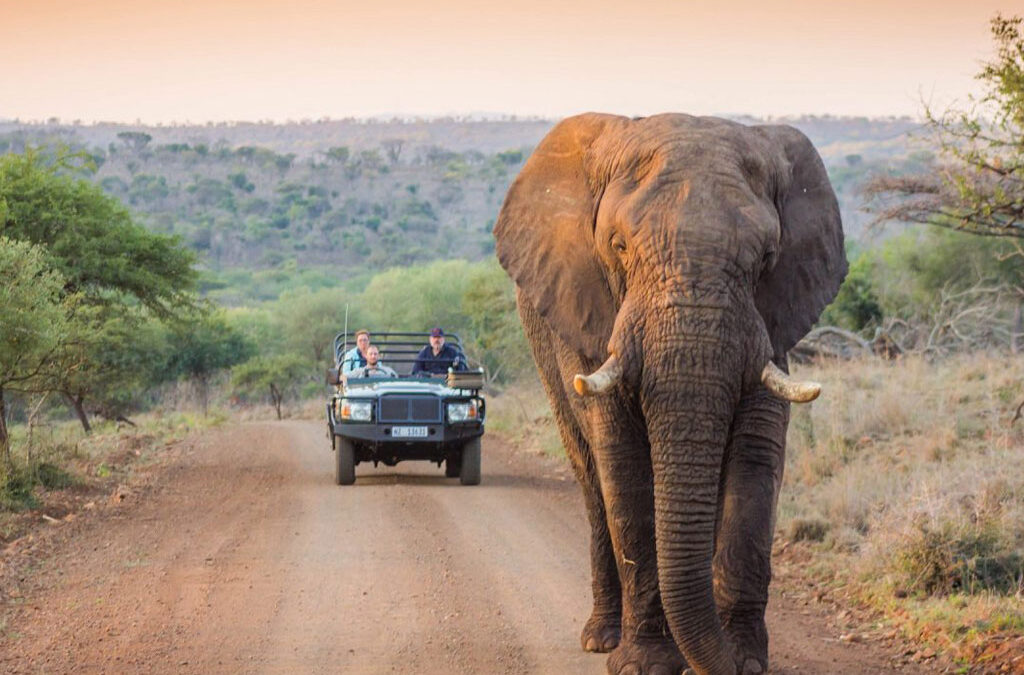
The term Greater Kruger Park is used to describe a number of private game reserves situated along the recently unfenced mid-western border of the Kruger National Park when private landowners saw the benefit of joining the iconic national park to allow game to flow freely through the area. One of the main advantages of a safari here is that there are limited amounts of persons as one has to be staying in one of the private lodges and for this reason, you will experience a less crowded safari with no more than two game vehicles per sighting. Also, in our opinion you will enjoy more exciting game drives as most properties allow real off-road game viewing in their 4×4 open safari vehicles, getting you right up close to the animals. Finally, the smaller lodges here are more up-market than the rest camps found in the Kruger National Park and thus offer a more exclusive safari experience.
Kruger National Park (KNP)
The Kruger National Park consists of a 20,000 km2 area in the north-east of South-Africa, run by government controlled Sanparks. Here you will be able to do a self-drive safari in your own vehicle, although along with everyone else which at times does lead to traffic jams around sightings with a general lack of game viewing etiquette. There is a good network of tar and gravel roads, keep to the speed limits and do not go off road anywhere in the Kruger National Park. You are also NOT allowed to get out of your vehicles (seriously some people have and are not around anymore!) unless in the safety of the ring fenced rest camps.
The park has several of these rest camps accessible to day or overnighting visitors, of which most have a shop and a restaurant to stock up on supplies or enjoy a nice meal and stretch the legs a little. There are well appointed signs leading you to the rest camps and several points of interest.
Which one to choose?
Because the border between the two parks in unfenced, the flora and fauna found in both areas is basically the same. But if you’re on safari for your very first time and don’t feel like driving in the Kruger National Park yourself, then a safari in the Greater Kruger Park might be the best option. In the all-inclusive lodges, the staff will take care of every aspect, while you can relax and enjoy your Big 5 African Safari experience. If you’re looking to enjoy a self-drive safari, then the Kruger National Park has a choice of well priced rest camps spread around the park which you can book direct with Sanparks here, or you can stay in one of the surrounding towns. You can also combine the two parks easily and explore the best of the two worlds!
Parting shot: When planning a South African itinerary with a safari element, we always suggest spoiling yourself with an upmarket private safari lodge experience and saving a little on the accommodations in places like Cape Town, as you will be outdoors exploring the city most of the time anyway.
To learn more about the Kruger Park in general and what to bring on a safari, please read our blog post here.