All, Family, Good to know, Hotspots
Whales have arrived!
Although we are still experiencing certain levels of lockdown as we navigate our way through the COVID-19 pandemic around the world, it is so good to see nature taking centre stage the past few months with some amazing animal sightings a lot closer to home than one would have expected.
We have also just received our first snow of the winter which funnily enough coincided with the return of the migratory Southern Right Whales to our shores from Antarctica. Maybe it was nature’s way of welcoming these giants back, waving the white flag so to speak that all is still fine along our South African shores for these gentle giants to come and safely calve in our sheltered bays.
Did you know?
Although the Southern Right Whales are spotted along most of our South African coastline, Hermanus is considered one of the best land-based whale-watching destinations in the world.
Whale-watching in Hermanus
Hermanus, along the beautiful shores of Walker Bay, is the official whale-watching capital of Africa. Surrounded by majestic mountains and indigenous fynbos, it is the heart of the whale coast and offers the best land-based whale-watching in the world.
The annual Whale Festival, usually held in September, is highly popular and attracts over 100, 000 visitors. Created to raise awareness and to help protect marine life, the Hermanus Whale Festival is the only enviro-arts festival in South Africa. Although the festival draws top South African musicians, crafters and sports celebrities, the whales are always the star attractions of the event and cause thousands of visitors to return to Hermanus year after year.
In addition to breathtaking whale watching from the cliffs and the boats, Hermanus offers many natural attractions such as mountain walks and bird watching, as well as great surfing spots and plenty of excellent accommodation available.
The art of whale-watching
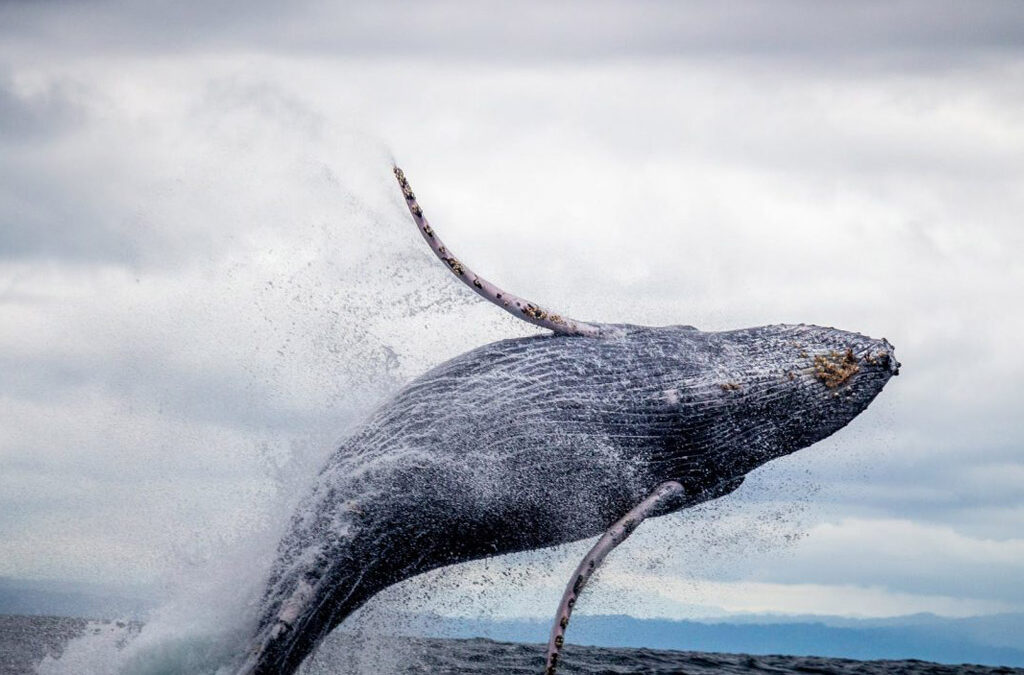
When looking to sight a Southern Right Whale, the easiest method is to scan the ocean surface for their v-shaped blow or spout – a tall, smoky plume lasting a few seconds. This is the whale breathing out just as it surfaces and one can also confirm this species by their lack of a dorsal fin. If you see a whale thrust high out of the water and fall back with a great splash, you were lucky enough to see a whale breaching.
Averaging around 15 metres in length and up to 60 tonnes in weight, individual whales can be identified year after year by the callosities pattern on their heads, kind of like their fingerprint. In fact, they have strong maternal connections with the locations and gene pools they are born into with females usually returning to their birth spots to calve.
Other activities in Hermanus
If you’re drawn to Hermanus for its whale sightings, there are plenty of reasons for you to stay and explore this quaint, pretty town. For the adventurous types, you can go mountain biking or abseiling, enjoy sea cruises to Dyer and Geyser Islands to see sharks, penguins and seals, take the plunge and go scuba diving, kick up some dirt while quad biking and take in the landscape while horse riding.
For the less adventurous, the smooth bays and tranquil lagoons offer lovely kayaking opportunities or a gentle boat cruise from nearby Stanford if you’re a bird lover. Fernkloof Nature Reserve is popular among hiking and photography enthusiasts, and golfers will be thrilled to discover an award-winning course at the Arabella Country Estate.
There are also many markets, such as the Fernkloof Farmers’ Market, Hermanuspietersfontein Boeremark and Lemm’s Corner Craft Market every Saturday and the Onrus Market once a month.
Wine & Craft Beer Tasting!
The Hemel-en-Aarde Valley behind Hermanus has become famous in its own right with fantastic award-winning wines being produced year after year. This valley is best known for its elegant, cool-climate wines made from Chardonnay and Pinot Noir, although the Sauvignon Blanc, Pinotage and Cabernet Sauvignon also contribute to the valley’s many awards. Estates such as Creation, Newton Johnson, Bouchard Finlayson, Southern Right and many more are waiting to be enjoyed over a slow lunch or dinner.
For craft beer lovers, the nearby Hemel & Aarde Microbrewery and Hermanus Brewery offer award-winning lagers and ales, along with the more established Birkenhead Brewery in Stanford, just east of Hermanus.
Want to discover the beautiful whales of Hermanus?
The Southern Right Whales have arrived so contact us to book a Private Hermanus Whale & Wine tour or possibly we can customise a multi-day tour to this area and include so many more highlights.
Share your experience with us on social media with #AfricanBlueJourneys
All, Company, Good to know, Hotspots, Wildlife, Wine
QUICK FACTS ABOUT SOUTH AFRICA
South Africa is a diverse country at tip Africa – the world’s second-largest as well as the most populous continent. South Africa counts several bordering countries such as Namibia, Botswana, Zimbabwe, Mozambique, and Swaziland. With a population of almost 60 million, South Africa is truly part of the African continent. Moreover, our Constitution is considered one of the most progressive in the world and recognises the use of eleven official languages.
The country has emerged from a turbulent past and since the first democratic elections in 1994, unity is sought through diversity in a place where all people are now equal.
What to do in South Africa?
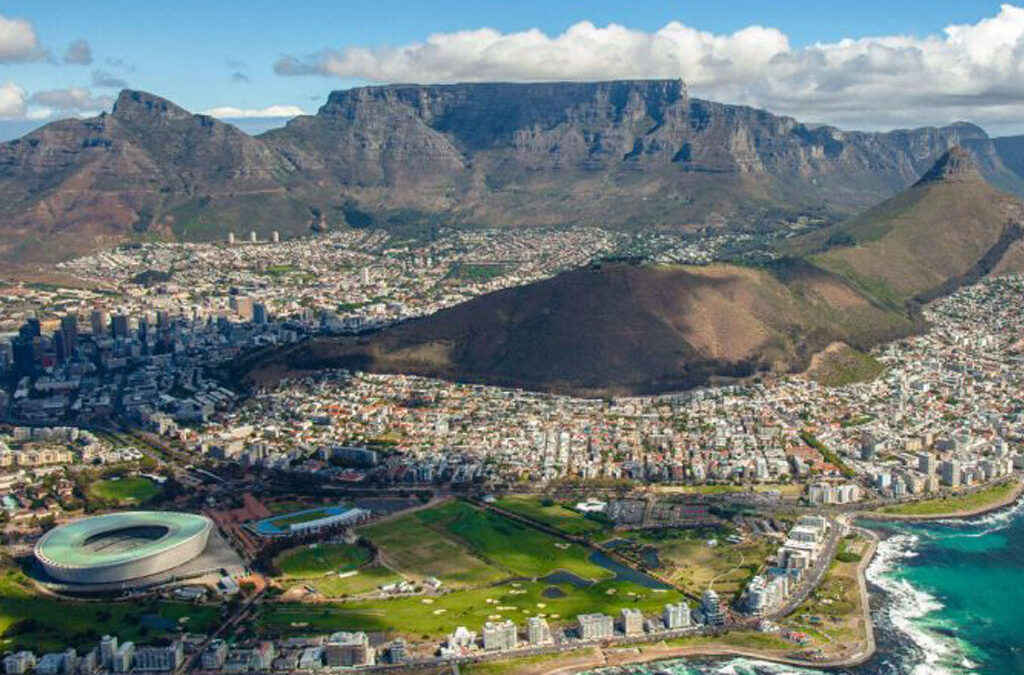
With a long coastline that stretches almost 3000 kilometres across two oceans and a climate that ranges from desert to subtropical, South Africa is truly a unique place to visit.
From breathtaking beaches of KwaZulu-Natal and Western Cape to expansive game reserves like Kruger National Park and picturesque winelands like in Stellenbosch, South Africa offers both domestic and international tourists a wide variety of options.
One fun fact!
Did you that South Africa is three times the size of Texas and five times the size of Japan? Surprising!
Emergency numbers
The South African Police are reachable at any time on 10111.
Time
South Africa’s time is GMT + 2.
Getting there
South African airports gather many of the world’s major airlines with direct flights to every continent on a daily basis. South Africa’s three main gateway airports are:
Oliver Tambo International Airport (JNB) in Johannesburg
Cape Town International Airport (CTIA)
King Shaka International Airport (DUR) in Durban
Now that you have read some quick facts about South Africa, click on the following links to find out about our private Cape Town day tours, options for longer multi-day packages through South Africa, and our many safari options here!
Let African Blue Tours provide you with the best of Southern Africa on one our private tour and safari experiences.
Share your experience with African Blue Tours and tag us on social media with #AfricanBlueJourneys.
All, Family, Good to know, Wildlife
Below we unpack the main differences between the world-famous Kruger National Park and Greater Kruger Park, which although not as famous as its larger neighbour, offers in our opinion a superior safari experience.
Greater Kruger Park (GKP)
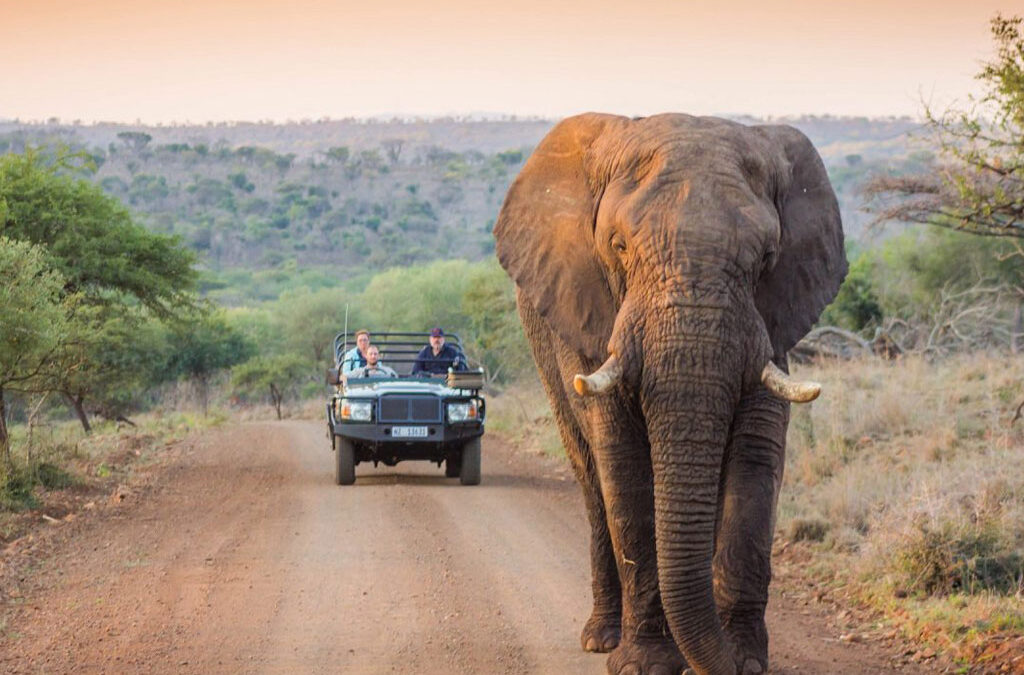
The term Greater Kruger Park is used to describe a number of private game reserves situated along the recently unfenced mid-western border of the Kruger National Park when private landowners saw the benefit of joining the iconic national park to allow game to flow freely through the area. One of the main advantages of a safari here is that there are limited amounts of persons as one has to be staying in one of the private lodges and for this reason, you will experience a less crowded safari with no more than two game vehicles per sighting. Also, in our opinion you will enjoy more exciting game drives as most properties allow real off-road game viewing in their 4×4 open safari vehicles, getting you right up close to the animals. Finally, the smaller lodges here are more up-market than the rest camps found in the Kruger National Park and thus offer a more exclusive safari experience.
Kruger National Park (KNP)
The Kruger National Park consists of a 20,000 km2 area in the north-east of South-Africa, run by government controlled Sanparks. Here you will be able to do a self-drive safari in your own vehicle, although along with everyone else which at times does lead to traffic jams around sightings with a general lack of game viewing etiquette. There is a good network of tar and gravel roads, keep to the speed limits and do not go off road anywhere in the Kruger National Park. You are also NOT allowed to get out of your vehicles (seriously some people have and are not around anymore!) unless in the safety of the ring fenced rest camps.
The park has several of these rest camps accessible to day or overnighting visitors, of which most have a shop and a restaurant to stock up on supplies or enjoy a nice meal and stretch the legs a little. There are well appointed signs leading you to the rest camps and several points of interest.
Which one to choose?
Because the border between the two parks in unfenced, the flora and fauna found in both areas is basically the same. But if you’re on safari for your very first time and don’t feel like driving in the Kruger National Park yourself, then a safari in the Greater Kruger Park might be the best option. In the all-inclusive lodges, the staff will take care of every aspect, while you can relax and enjoy your Big 5 African Safari experience. If you’re looking to enjoy a self-drive safari, then the Kruger National Park has a choice of well priced rest camps spread around the park which you can book direct with Sanparks here, or you can stay in one of the surrounding towns. You can also combine the two parks easily and explore the best of the two worlds!
Parting shot: When planning a South African itinerary with a safari element, we always suggest spoiling yourself with an upmarket private safari lodge experience and saving a little on the accommodations in places like Cape Town, as you will be outdoors exploring the city most of the time anyway.
To learn more about the Kruger Park in general and what to bring on a safari, please read our blog post here.
All, Family, Good to know, Wine
Popular activities for kids in the Winelands are strawberry picking and grape juice tastings. However, these are just a few examples of what children can do in this stunning region. Who knew that there are plenty of activities and fun places to visit for the whole family?
I want to bring my kids in the Cape Winelands, what could we get up to?F
Although not in the Winelands, you can certainly start our day at the Two Oceans Aquarium before proceeding to the Winelands, where you can explore the wildlife of the Indian and Atlantic Ocean. Then, you can head to the Giraffe House, a wildlife awareness centre that hosts not just giraffes, but a lot of other animal species such as Vervet Monkeys, Meerkat, Crocodiles, Ostriches, parrots, Jackals and many more.
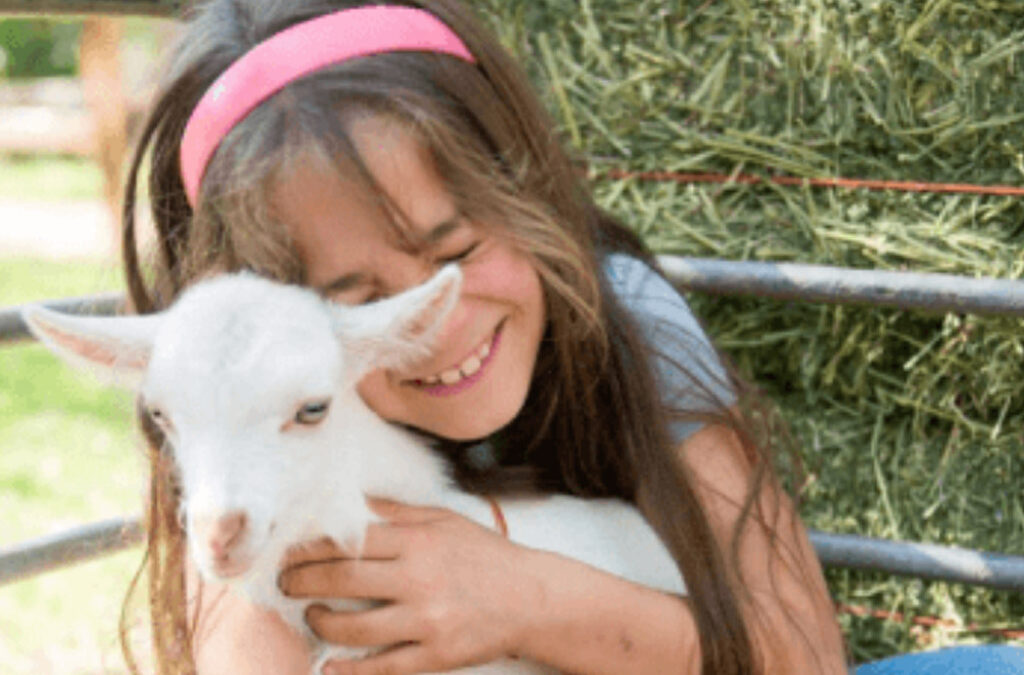
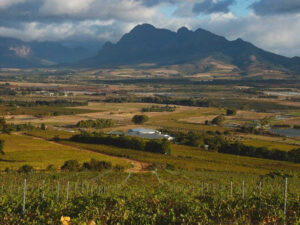
You should also definitely check out the farm of Fairview. This wine estate founded in 1693 organises wine tastings for the parents whilst the children can taste juice and visit the Goat Tower. Make sure to also visit their bakery and try their hand made pastries, baguettes and cakes.
From Fairview website
How can I raise awareness amongst my kids about South African wildlife while exploring the Cape Winelands?
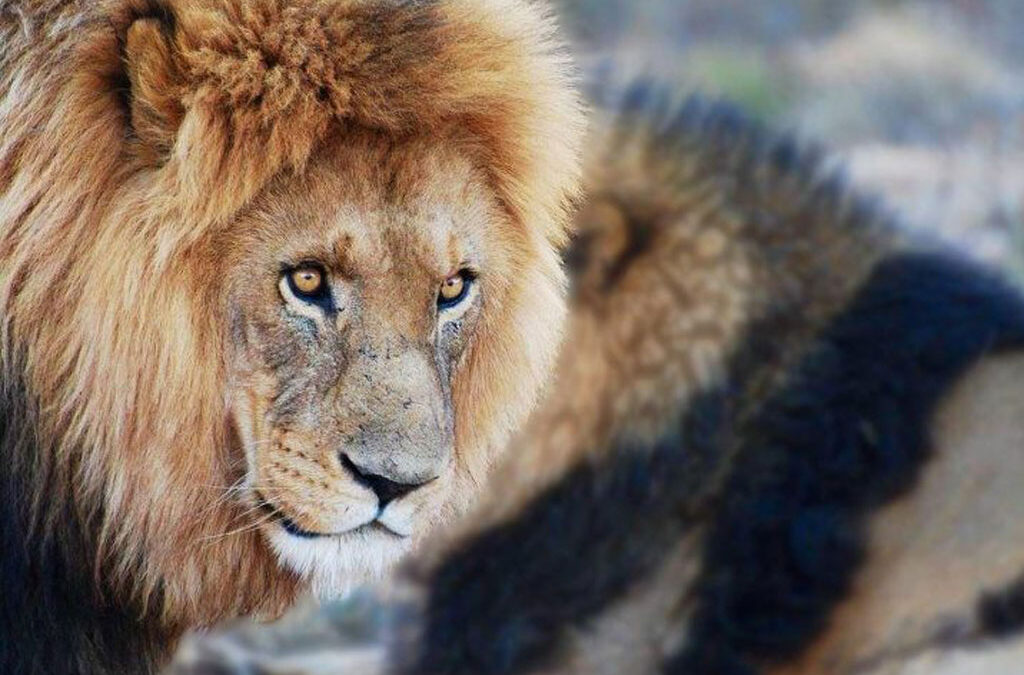
Take one of the guided tours at the Cheetah Outreach, an education and community-based programme created to raise awareness of the plight of the cheetah and to campaign for its survival. You could also visit Drakenstein Lion Park, a lion rescue centre which is also home to the new Chimp Haven. This facility has been built to house the chimps that have been displaced by the closure of Tygerberg Zoo. If you want to see all the big cats at the same time, visit the BigCats Park at Vredenheim, that hosts brown and white lions, leopards and Bengal tigers.
Where could my kids discover reptiles and smaller animals in the Winelands?
We also recommend visiting Eagle Encounters, a wildlife rehabilitation, conservation, education and eco-tourism centre. Also make sure you visit Le Bonheur Crocodile Farm, a kid-friendly destination near Cape Town offering prime viewing of crocodiles. Take one of the guided tours that depart every 45 minutes. The crocodile farm is home to over a 1000 crocodiles and is opened 9 til 5, 7 days a week. Visit the Butterfly World to find a magical world of tropical butterflies. You will soon realise that this is not just a butterfly park, but that that it’s a sanctuary for exotic animals. They have reptiles, exotic birds and other small animals.
Is there any other hidden gems for kids in the Cape Winelands?
We can visit Vergenoegd Wine Estate to watch the morning “duck parade”. During this parade, the Vergenoegd farm utilises 1070 running ducks to assist in the control of the snail and pest population in the vineyards. They have a basic research and breeding programme to keep the ducks productive, healthy and happy. Take a tour of the duck pens and the breeding room with one of their friendly duck herders. Enjoy the parade with a glass of Runner Duck wine from 09:00-10:00am on week days to see how they perform their eco-friendly duties of chemical-free pest control.
Any good markets my kids could enjoy?
Also visit a choice of Saturday and/or Sunday farmers markets in Stellenbosch. The Slowfood market takes its inspiration from the Slow food Movement. Their aim is to bring all food sourced, grown, raised, harvested, caught and preserved by the producers themselves. Root 44 market is, as the name suggests, situated on the Route 44 between Stellenbosch and Somerset. This market has many food stands and is all about family fun. Furthermore, the market offers funky live entertainment, craft and homeware stalls. The Blaauwklippen Family Market is one of South Africa’s oldest markets, dating back to 1682. The market is situated on the slopes of Stellenbosch mountain, surrounded by vineyards. This market offers plenty of activities for children, including a bouncing castle, pony rides, trampolines and more.
Finally, how can I end a beautiful day in the Winelands with my kids ?
Another must-visit with your children is the DelVera agri-village, a true paradise where children can play on the lawns and run around, they can feed and pet the donkeys, ride a go-kart, ride a bike on the kids bicycle trail and horseback riding. Visit one of the boutique shops with arts & crafts, restaurants and cafés. From DelVera, you can also go for a hike in the stunning surrounding area. Every month (September – April), the Dirtopia team organises a full-moon hike. On top of the Klapmutskop, enjoy a picnic while watching the sunset and then see the full moon rise.
From Delvera Agri-village website
Now that you know more about places and activities for kids in the Cape Winelands, click here for our Private Cape Town tours.
Some of our Reviews
Excellent outing – highly recommended
Reviewed April 22, 2014
5 of 5 stars
“On a recent trip to South Africa we had the good fortune of booking a day trip with David. He was polite, knowledgeable and contributed a wealth of knowledge about the destinations we visited. In fact we had such a great day out with him that we booked surfing lessons with him the next day, and he managed to get the whole lot of us to stand up on the board (not an easy task).
He was excellent company – a sentiment shared by our entire group, in fact each of the children enjoyed his company so much that they all wrote in their travel diary about “how much fun they had with David” and how nice he is.
Absolutely 5+++++ stars. Wish him the very best, and if we ever have the good fortune to go back we’ll hope to tour with him again! Cheers!”
Caroline, Toronto, Canada
Simply amazing tour company with fantastic customer service!
Reviewed February 13, 2018
5 of 5 stars
“My family and I (husband plus two kids) had a fantastic experience with David and his team at African Blue Tours. We booked several day trips with them and each one was better than the next. Our tour guide Duncan was great, very knowledgeable, patient with us and with our young girls and attentive. Duncan answered all our questions on South Africa, on its history and everything in-between. When it came time to taste wines during our wine tours, he took the girls outside to feed the goats while my husband and I enjoyed just a little bit of the wine tasting g uninterrupted. All this to say, very attentive, and customer oriented.
Last but certainly not least, the booking was easy and David was very responsive. It was easy to communicate and to get suggestions on different activities to better plan and maximize our time in Capetown. A wonderful and memorable visit. Thank you David and Duncan.”
Daniele Nyirandutiye, Antananarivo, Madagascar
All, Good to know, Wildlife
It’s happening! After all this time you will finally go on a Safari: Game Drives, the Big Five and maybe even a Safari Walk are on the top of your list, but … what do you bring?
There are multiple things that are super convenient and that really contribute to the most amazing safari experience you can get. The following list provides you with the most important stuff you need before you start your new adventure:
- Sunscreen: easily forgotten but very important. Imagine being out in an open safari vehicle with the sun in your face and the wind blowing through your hair. Sounds amazing, but looking in the mirror afterwards might be a bit of a rude awakening. You don’t want to miss out on all the animals because they’ve already spotted your red nose before you could even come close!
- Insect repellent and long clothes to protect you (in the early mornings and early evenings). Make sure you’ve got socks that cover your ankles at dusk and dawn when the mosquitos are around the most. During the day you are fine with shorts and a T-shirt.
- Flashlight, binoculars and photographic equipment. Of course you have to bring some awesome photos back home with you.
- Money for lunch and hydration on transfer days to your safari destination and for those long days in the national parks and private game reserves.
- Closed walking shoes, sunglasses and swimming gear to cool off from the midday heat in the swimming pool, not at the many watering holes!
- Casual neutral-coloured clothes by day and a pullover for the sunset drive. It can get quite cold in the evenings so make sure you have something warm and comfortable to wear for activities that take place in the evening or at night.
- Pair of flip flops in case your other shoes get wet.
- Last but not least: a good pair of eyes to spot the magic of all of those hidden animals! Don’t worry on your first few game drives if you struggle to spot game, your eyes will soon adjust and become bush savvy.
If you make sure you have the above things with you on your trip, it could just give that little extra comfort to the Safari!
Malaria risk
In general, Kruger National Park and surrounding areas are low risk malaria areas. However, our rainy months from December to March bring a higher risk. Therefore, we recommend discussing preventative medication with your medical practitioner or travel clinic.
Travel insurance
We strongly recommend to all our guests that they obtain comprehensive travel insurance. Please ensure that you have adequate travel insurance to cover cancellation penalties. Special insurance may be required if you undertake any extreme or potentially dangerous activities (e.g. adrenalin or endurance sports).
All, Good to know
Nelson Mandela is my hero and I love, respect and admire him dearly! As South Africans, we ALL owe our freedom to his compassion, vision and sense of humanity.
Mr Nelson Rolihlahla Mandela worked tirelessly for a free and democratic society. He possessed that “Madiba Magic” and even in his recent passing at the age of 95, he once again united a nation in their mass outpouring grief and personal reflection on an extraordinary life lived by the greatest South African, possibly greatest Humanitarian the world has known.
Today, Cape Town is a culturally diverse city in which anyone can go anywhere. Complete your visit to the Mother City with an educational tour of the monuments, statues, landmarks and museums that celebrate his legacy.
Did you know?
This great man was actually born Rolihlahla Mandela and only given the name Nelson in primary school by his teacher Miss Mdingane, in accordance with the custom to give all school children “Christian” names.
He is fondly referred to as “Tata” & “Madiba”, as he is the father of a democratic South Africa and “Madiba” being his clan name.
Nelson Mandela Legacy Exhibition at the Civic Centre
At the Mandela Legacy Exhibition at the Cape Town Civic Centre you learn more about the life of Madiba. From his childhood through to his elderly years. It’s a tribute to the former freedom fighter, to inspire people all over the world.
Runs daily from 10 am to 6pm, until July 2014, free entrance.
Robben Island
From the 17th to the 20th centuries, Robben Island served as a place of banishment, isolation and imprisonment. Today it is a World Heritage Site and museum, a poignant reminder to the newly democratic South Africa of the price paid for freedom. We offer a full day Township & Robben Island tour which will give you a greater understanding of what South Africa has been through in recent years.
Mandela House Museum (Groot Drakenstein correctional facility, Victor Verster Prison)
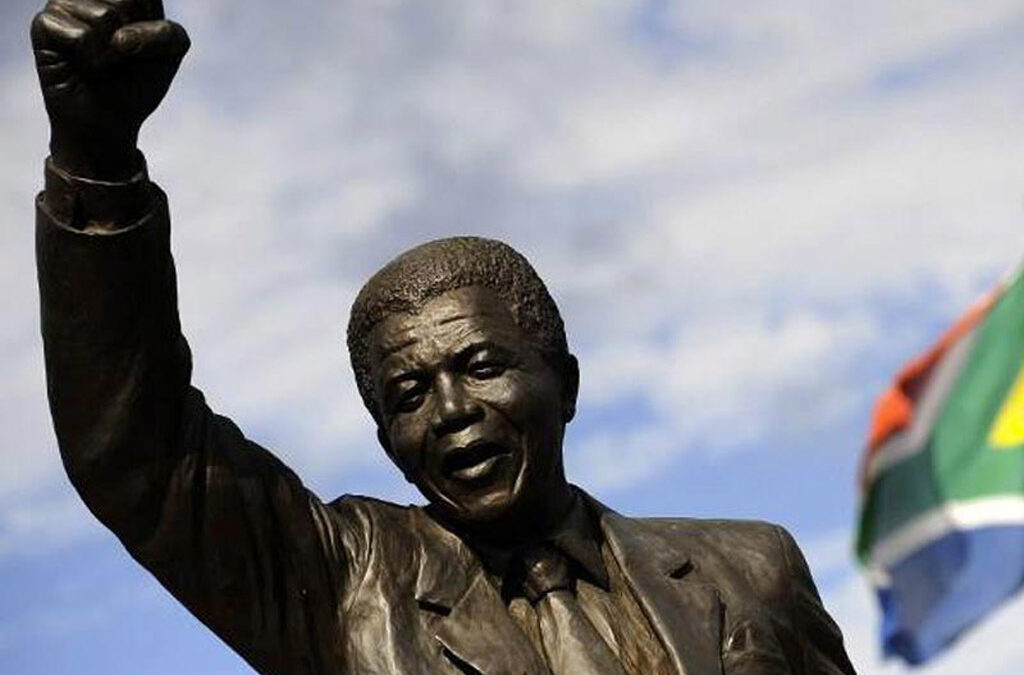
This where Mandela spent his final months of imprisonment. A bronze statue of Mandela shows him with a raised fist – a well recognised gesture of defiance. If you book a Private Cape Winelands tour, we can combine a tour of the prison with your wine tastings and a gourmet lunch in Franschoek, known as South Africa’s food & wine capital.
Cape Town City Hall
On February 11 1990, only hours after his release from prison, Nelson Mandela made his first public speech from the balcony of the Cape Town City Hall. Built in 1905, the large Edwardian building is located on the Grand Parade, with fixtures and fittings imported from Europe. You will pass this famous landmark on a City tour.
Nobel Square
Standing in the form of a crescent are four sculptures of the Nobel Peace prize laureates, Albert Lithuli, Desmond Tutu, FW de Klerk and Nelson Mandela. Each individual’s preferred quotations are engraved, in their chosen languages, in front of the sculptures. The Peace and Democracy sculpture, also found on the Nobel Square, is a narrative work which acknowledges the contribution of women and children to the attainment of peace in South Africa. The square is located on the south side of the Victoria & Alfred hotel in the V&A Waterfront.
Mandela Rhodes Place
The Mandela Rhodes Place Hotel & Spa offers visitors a timeline, which chronicles the life of Mandela in 14 distinct sections. The basement theatre supper club, the Rainbow Room, features a documentary of his life, while the Atrium boasts a wire art statue of Nelson Mandela, entitled “First Step to Freedom”. There is an innovative mosaic made from Rubrik’s Cubes which form an abstract portrait of Nelson Mandela. Built by Jan Du Plessis, the artwork was completed for the third annual Ubuntu Festival in 2011.
Parliament
As South African leader between 1994 and 1999, Nelson Mandela spent many years presiding over Parliament. During his term, members of the chambers hammered out the 1996 constitution, the representation of women increased dramatically and laws that serve as the framework of this country’s democracy were passed. Today, the public is welcome to come inside and observe the floor where Mandela made historic speeches, like the 100 Day speech.
Tours can be arranged into the government building from Monday to Friday between 9am and 12pm. Booking ahead is essential; the tours are free of charge.
If you wish to donate to a great charity, visit the Nelson Mandela Foundation website here.