All, Hotspots, Wildlife
Covering over 3,6 million hectares of land in both South Africa and Botswana, the Kgalagadi Transfrontier Park’s red dunes, scrub and camel thorn trees creates a stark, dramatic and beautiful landscape in which meerkat, gemsbok, eland, springbok, blue wildebeest, black-mane lion and leopard roam free.
Soaring above this picture perfect landscape are raptors, hungry for one of the many birds that exist here. The park has three different camps; one of these being Nossob Rest Camp.
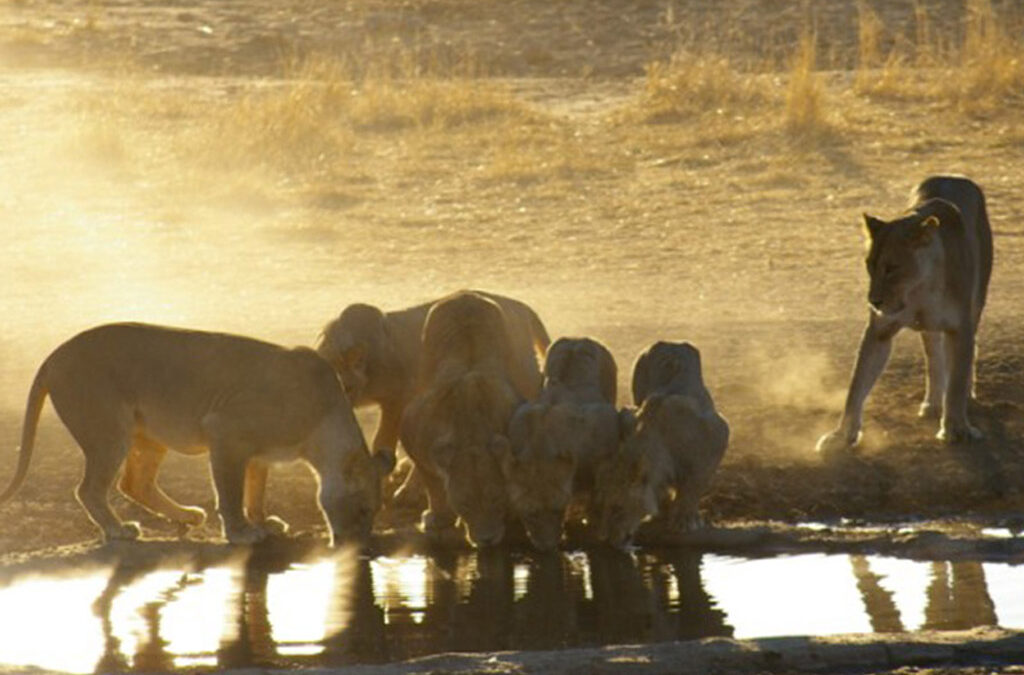
Lion spotted just outside Nossob camp
Nossob camp is located within the dry riverbed of the Nossob, surrounded by tree savannah. As guests enter the gate from the south, they will pass a small tree that has become a favourite day home for White-Faced Scops-Owls. Since the animals of the park tend to concentrate at dry riverbeds, the camp is known for its fantastic predator sightings and bird watching opportunities, made better because of the park’s sparse vegetation. Also famous at this camp are the incredible scenes of the seasonal movement of large herbivores.
Nossob cottagesThe camp offers two-person, three-person and four-person chalets, all with a pergola, braai and bathroom with shower as well as a six-person chalet with added lounge and bath.
There are guest houses accommodating groups of four and a family cottage for six. Accommodation is available only on a self-catering basis, but there are communal cooking facilities and a shop with tins and frozen meats and occasional fresh vegetables.
Lions gather in front of the hideDuring a stay at the camp, guests can go on night drives, day walks or the Nossob 4×4 Eco Trail. To enjoy the camp without venturing too far, they can visit the predator information centre, sit at the hide and view game as they gather around a waterhole or cool off in the camp’s small swimming pool.
The best time to visit this arid region is usually between January and April. In summer, day temperatures can exceed 40°C and winter days are sunny with night temperatures often below zero.
Nossob Camp is a simple camp, which allows visitors to enjoy nature at its wildest and most peaceful. Getting back to the basics in this tranquil, magnificent part of the world allows one to get in touch with nature just as it is – wild, untouched and awe-inspiring.
All, Hotspots, Wildlife
South Africa’s southern cape is known to offer fantastic whale-watching opportunities. What makes whale-watching in this region such an exciting activity is the fact that, by simply standing at the shore, you can participate!
South Africa’s shores are home to all nine of the great whale species, but it is the Southern Right Whale that is most commonly seen. These whales visit our shores between May and December.
Whale-watching in Hermanus
Hermanus, along the beautiful shores of Walker Bay, is the official whale-watching capital of the world. A popular holiday destination, Hermanus has spectacular scenery. Surrounded by majestic mountains and indigenous fynbos, it is the heart of the whale coast, offering the best land-based whale-watching in the world.
Between New Harbour and Grotto Beach, the best whale-watching points can be found along concrete cliff paths that line the coast. Here, spectators can be treated to phenomenal, up-close views of these whales that come from the Antarctica to calf. Sightings can occur within 10 metres of the coast!
So synonymous with whale-watching is Hermanus, that a festival is held in honour of this activity. The annual Whale Festival, held usually in September, is highly popular and attracts over 100, 000 visitors. Created to raise awareness and to help protect marine life, the Hermanus Whale Festival is the only enviro-arts festival in South Africa. Although the festival draws top South African musicians, crafters and sports celebrities, the whales are always the star attractions of the event and cause thousands of visitors to return to Hermanus year after year.
Other activities in Hermanus
If you’re drawn to Hermanus for its whale sightings, there are plenty of reasons for you to stay and explore this quaint, pretty town. Activities include horse riding, paragliding, kayaking, shark cage diving, fishing, hiking, plane trips, swimming and sunbathing. There are many opportunities for retail therapy with a great selection of galleries, fashion boutiques and jewellery shops. There are many markets, such as the Fernkloof Farmers’ Market, Hermanuspietersfontein Boeremark and Lemm’s Corner Craft Market which are held every Saturday and the Onrus Market held once a month.
Southern Right Whales
Southern Right Whales are black with pale, brownish callosities. They are stately creatures that are extremely intelligent, graceful, gentle and majestic. They live for between 90 and 100 years. The whales migrate south from the sub-Antarctic water during the summer, in search of more food, and north during winter and spring to mate, calve and rear their young. Female whales calve nurse their young for up to three months in sheltered bays. They can be seen interacting in these sheltered bays and coves close inshore and near river mouths.
The art of whale watching
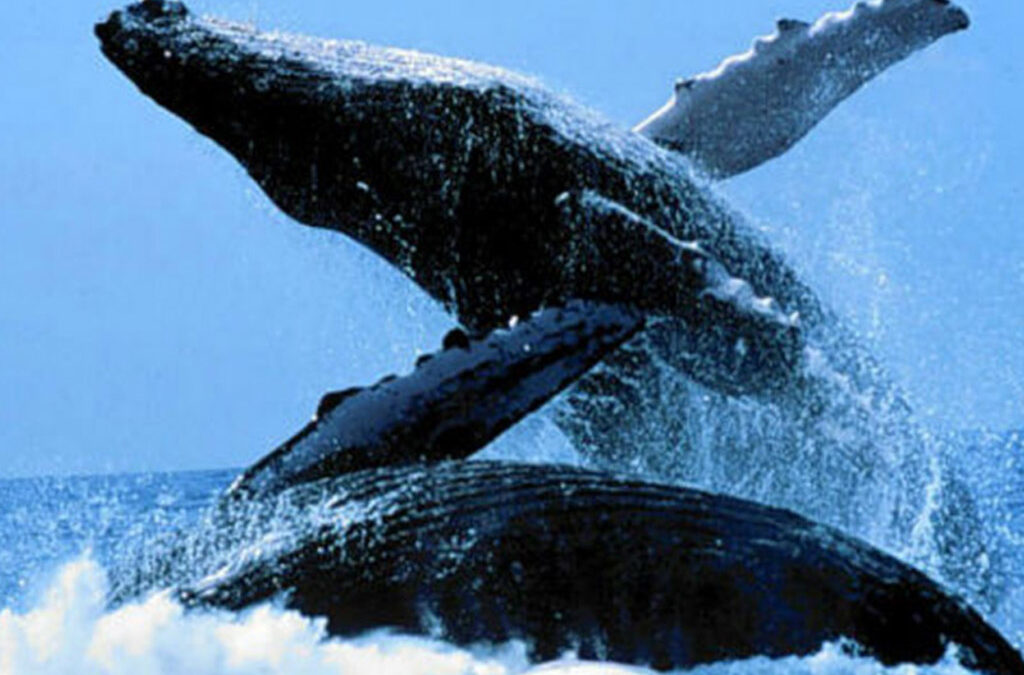
When looking to sight a whale, look for the blow or sprout – a tall, smoky plume lasting a few seconds. This is the whale breathing out before it surfaces. If you see a whale thrust high out of the water and fall back with a great splash, you were lucky enough to see a whale breaching.
All, Good to know, Hotspots, Wildlife
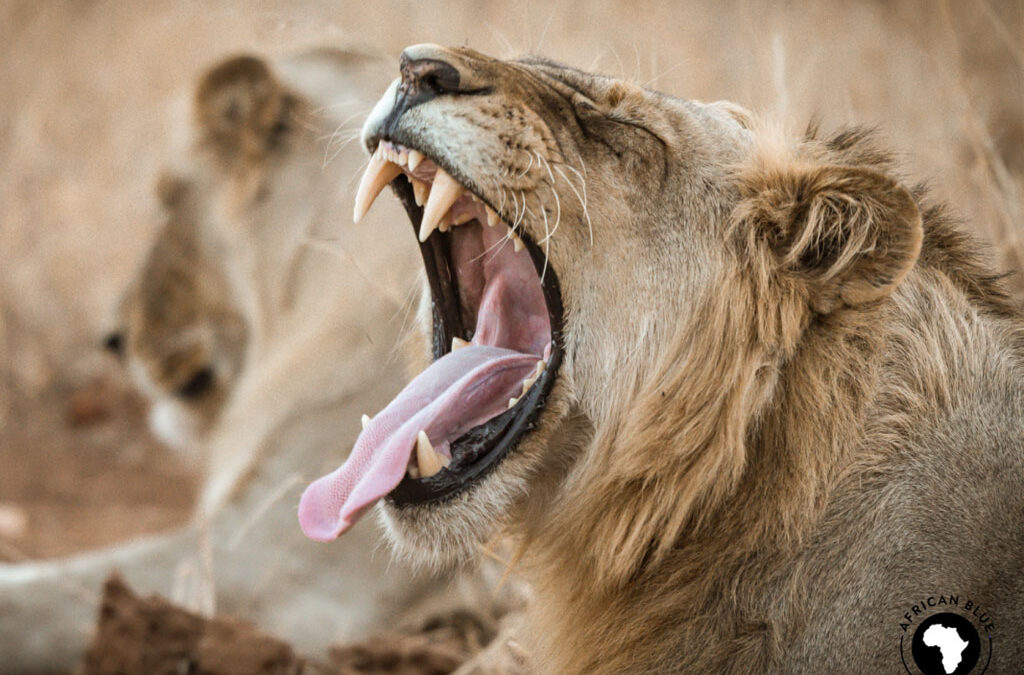
The most famous game-viewing area in South Africa is the world-renowned Kruger National Park, in Mpumalanga. At about 350km long, and on average, 60km wide – makes it about the same size as Wales. The oldest National Park in Africa, visitors have been enjoying Kruger Park Safaris since it was officially opened to the general public in 1927. It has 147 species of mammal, (including the Big 5), 114 reptiles (50 snakes), 49 fish, 34 amphibians, 227 butterflies, 336 trees and 507 birds.
Greater Kruger
Although a National Park, there are many private game reserves situated on its western border and 14 private concessions within the park. The fences between these reserves and the Kruger National Park have for the most part come down making it a vast area of game-rich territory. This area is also called Greater Kruger and in our opinion offers a more adventurous game drive experience as most properties allow real off-road game viewing in their 4×4 open safari vehicles.
How to get there:
The area is accessible by domestic flights from Johannesburg into Skukuza, Hoedspruit, Kruger Mpumalanga Airport (KMIA), Malelane and Phalaborwa, or from Cape Town into Hoedspruit and Kruger Mpumalanga Airport (KMIA). By road, it takes a 5-6 hour drive from Johannesburg, through very beautiful scenery.
Most of our Kruger Park Safaris are via road transfers from Johannesburg departing in the early morning. There is also the option of flying into Nelspruit, Skukuza or Hoedspruit and other smaller airports from Johannesburg’s OR Tambo International. Please note that flight costs and in some instances airport transfers to the various accommodations are additional costs to the tour package rate.
Temperatures:
Spring (September to November): 18 – 30 Degrees Celsius
Summer (December to February): 25 – 35 Degrees Celsius
Autumn (March to May): 15 – 28 Degrees Celsius
Winter (June to August): 12 – 25 Degrees Celsius
When to go:
Autumn and winter are dry and the bush is less dense, which makes game viewing easier. Animals visit the waterholes more often, due to the lack of abundant water in the bush.
What to bring:
- Informal and comfortable clothes
- A windbreaker or warm jacket for winter.
- A raincoat /waterproof for summer months.
- Comfortable walking shoes
- Swimming costume, sun block & sunglasses
- Long clothing and mosquito repellent
- Binoculars and a camera / video camera
Malaria
Kruger National Park is a malaria risk area of South Africa however you should take some simple precautions like wearing long clothing and applying mosquito repellent spray, there is little chance of infection. Anti-malaria prophylactics are recommended for visitors to Kruger during the higher risk rainy season from December to April as an additional barrier of protection, however not compulsory.
A 24-hour malaria hotline is available on +27 (0)82 234 1800 to give detailed explanation on risk and advice on precautionary measures, you can also view our government website here. Visitors wishing to take prophylactics should consult a knowledgeable medical practitioner or recognized travel clinic about recommended medication, as certain products cause nausea, hallucinations or other negative side effects with certain people.
If you show flu-like symptoms 2 weeks after your safari, then consult a Doctor immediately and inform them of your recent safari to Kruger National Park.
You can view our full selection of Kruger Safaris here, we are ready to assist in anyway to make this experience a reality for you.