7 of our best Garden Route Adventures

7 of our best Garden Route Adventures

Garden Route Adventures: Our Favourite Ways to Experience South Africa’s Natural Playground

Few places in South Africa captivate the adventurous spirit quite like the Garden Route. Often described as a modern-day Eden, this stretch of coastline with its pristine beaches, emerald forests, dramatic cliffs and tranquil lagoons make it one of the most rewarding playgrounds for active travellers.

At African Blue, we’ve walked, paddled, soared and surfed our way through the region to curate the most memorable ways to connect with its landscapes. These are some of our most-loved Garden Route experiences.
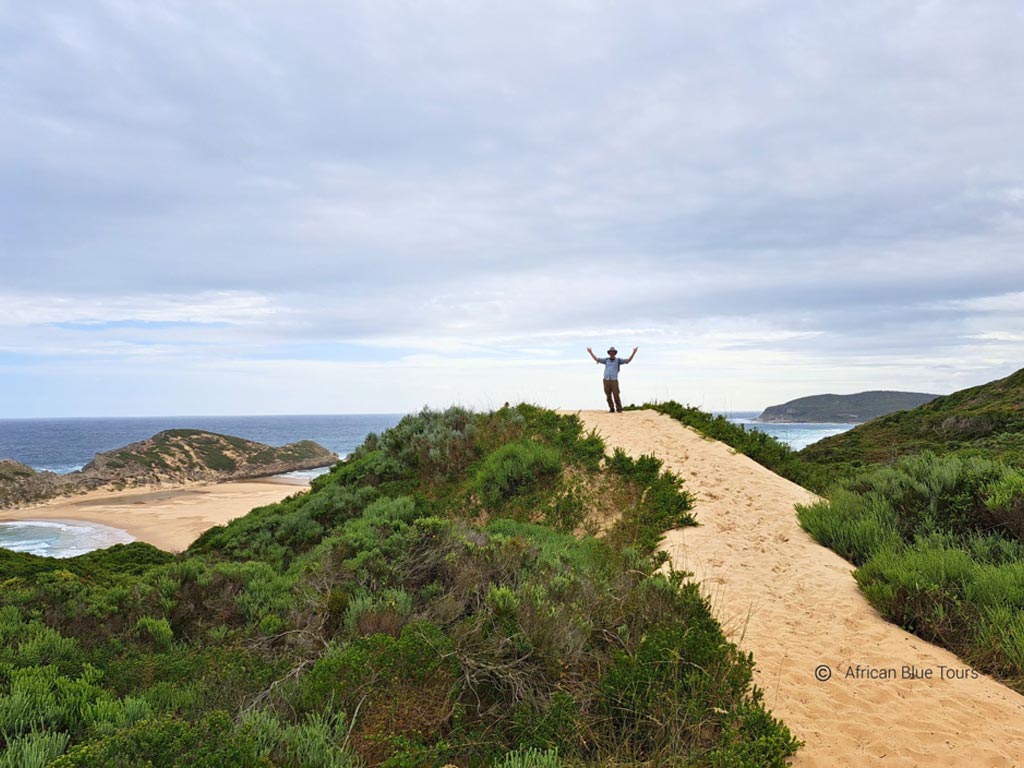
1. Hike the Robberg Peninsula – Plettenberg Bay

Standing atop Robberg’s cliffs, with the ocean stretching endlessly below, it’s easy to understand why this is one of our essential Garden Route walks. The peninsula offers sweeping views, seals basking on rocky outcrops, and a feeling of solitude despite being minutes from Plett. Opt for the shorter loop or commit to the full circuit — either way, the reward is a humbling perspective on nature’s scale.
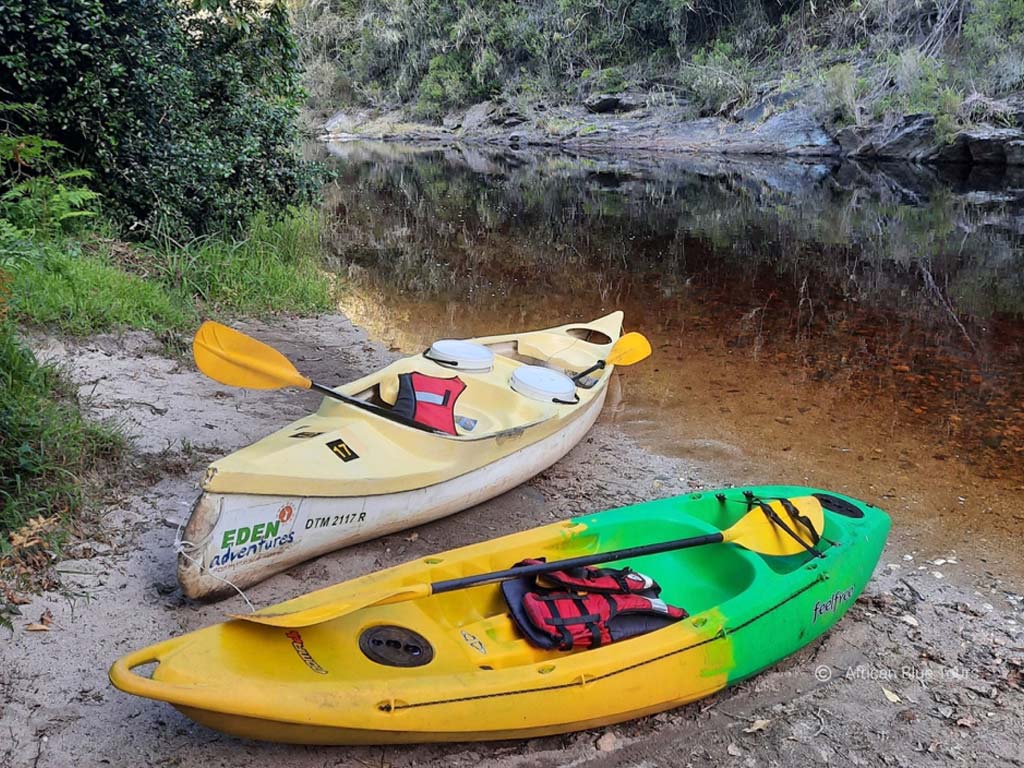
2. Paddle the Wilderness Lagoon

A gentle paddle through the quiet reed-lined waters of Wilderness feels like time suspended. Birdlife flutters overhead, mountains rise beyond the water, and each stroke draws you deeper into calm. It’s the perfect way to slow down and savour the tranquillity that gives the Garden Route its name.
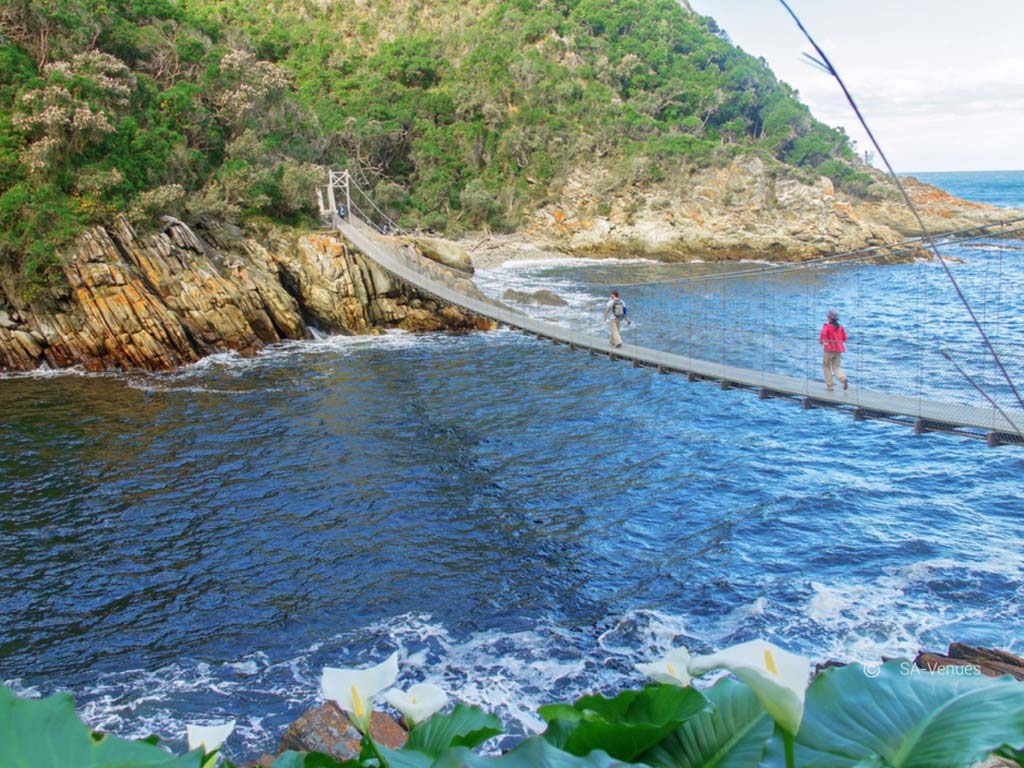
3. Walk the Tsitsikamma Suspension Bridge

Where river meets ocean and forest meets stone, the Tsitsikamma suspension bridge delivers one of the area’s most iconic views. The short walk through indigenous forest opens to crashing waves below – a simple yet spectacular reminder of nature’s power and beauty.
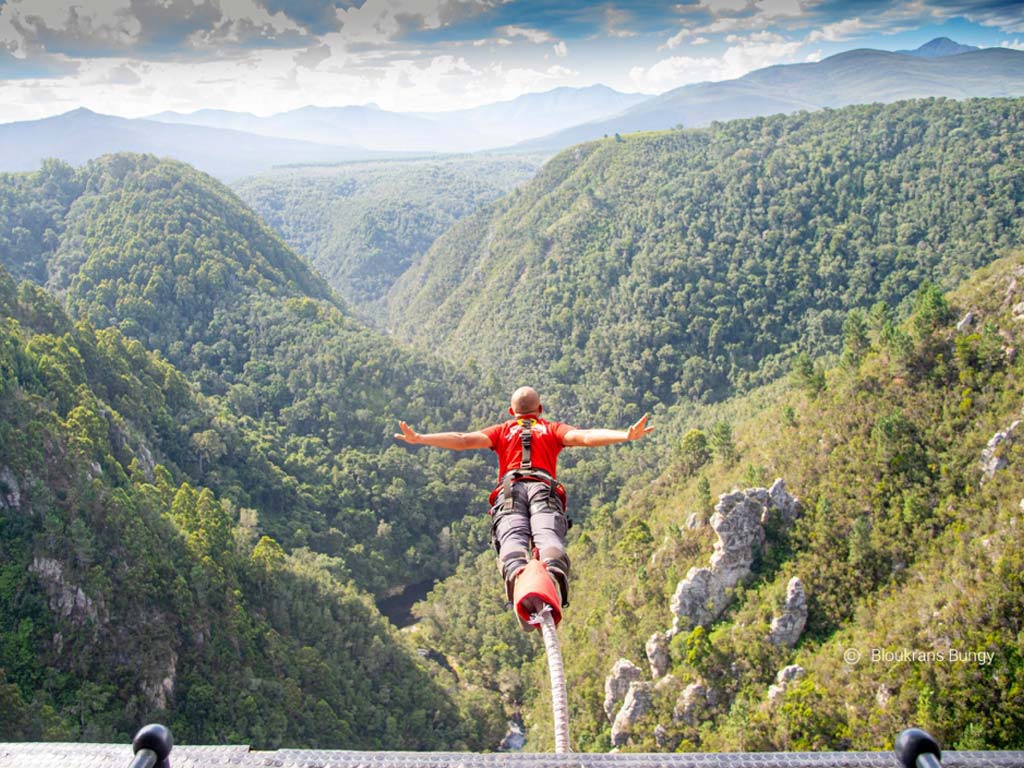
4. Take on the World’s Highest Bridge Bungee – Bloukrans

For those with a daring streak, Bloukrans is more than an adrenaline rush — it’s a bucket-list rite of passage. Step off the arch of Africa’s highest bridge and plunge towards the river gorge below. The thrill is exhilarating, but it also celebrates pushing limits in a landscape that inspires boldness.
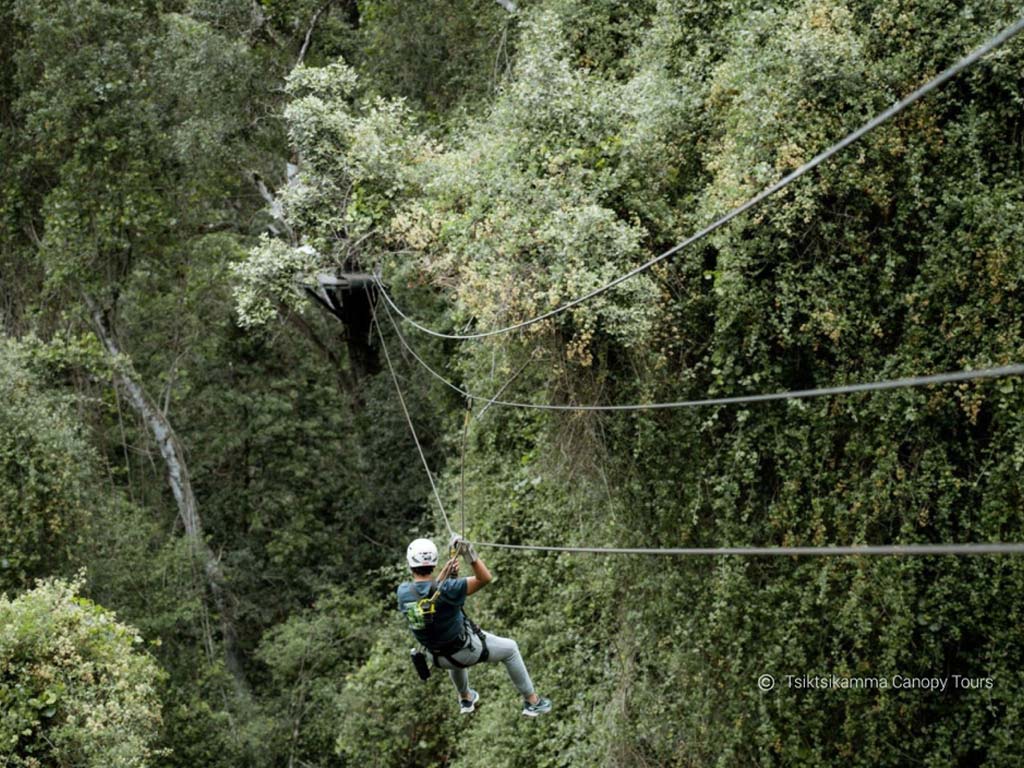
5. Zipline Through Storms River Village

Glide between ancient trees, waterfalls and forested ravines as you zipline your way through the Tsitsikamma canopy. It’s an immersive way to engage with the environment – part adventure, part nature discovery – offering a fresh angle on this biodiverse region.
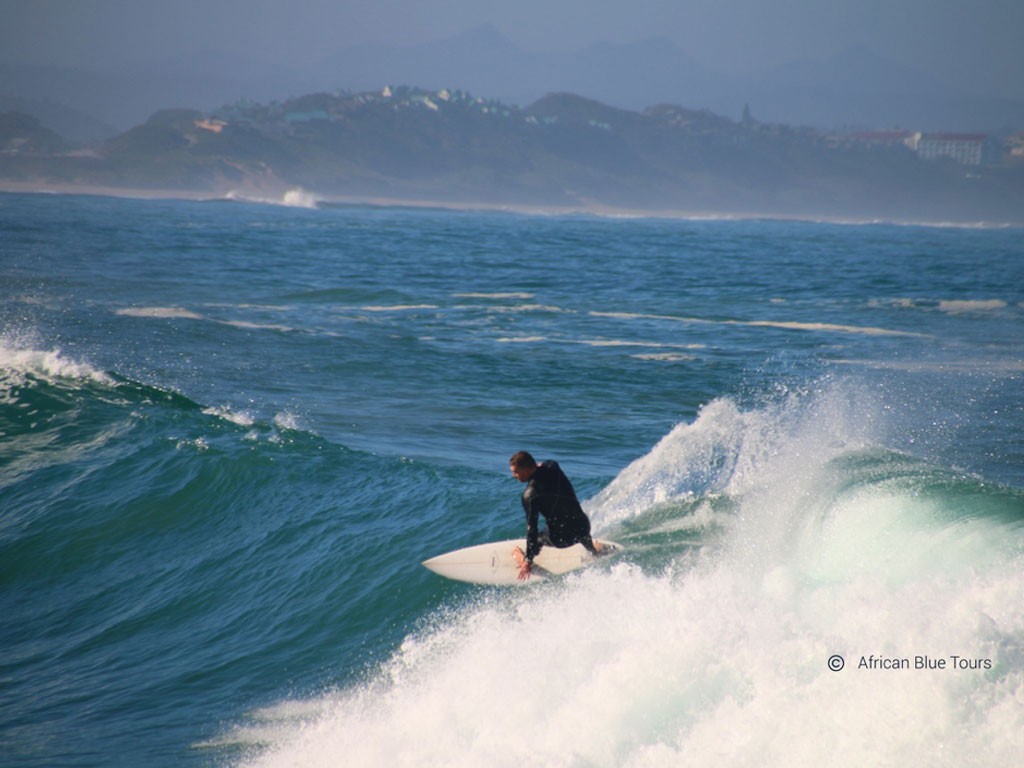
6. Surf at Victoria Bay

Charming, compact and wonderfully picturesque – “Vic Bay” is a favourite among local surfers. With the right conditions, it can offer long right-hand rides for experienced surfers. The setting, framed by cliffs and coastal homes, only adds to its appeal.
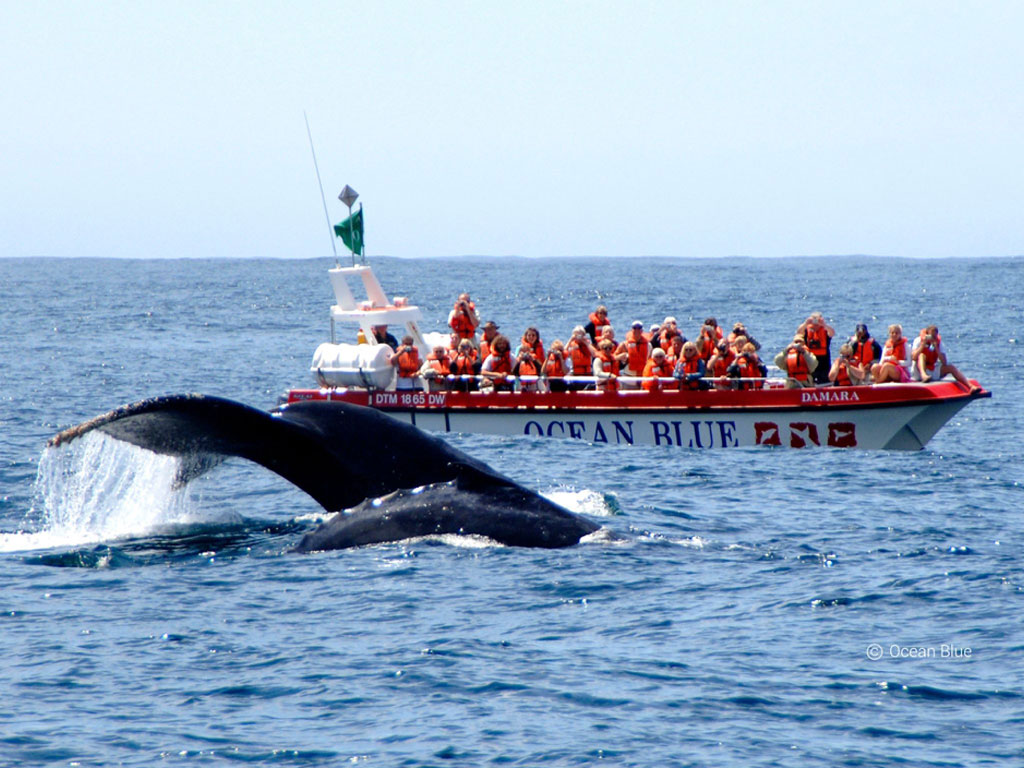
7. Whale Watching in Plettenberg Bay

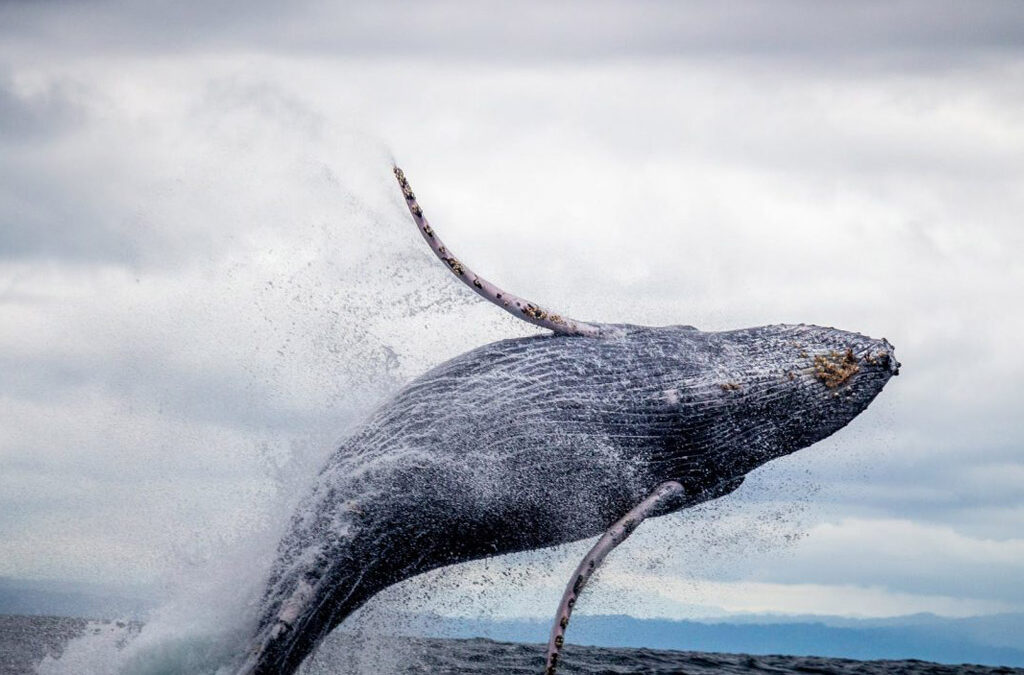
Between July and November, Plettenberg Bay becomes a stage for one of nature’s most moving displays. Southern Right and Humpback whales visit the coast to breed and calve, often showing tail slaps, breaches and playful behaviour close to shore. Watching these giants in their element feels like a privilege.
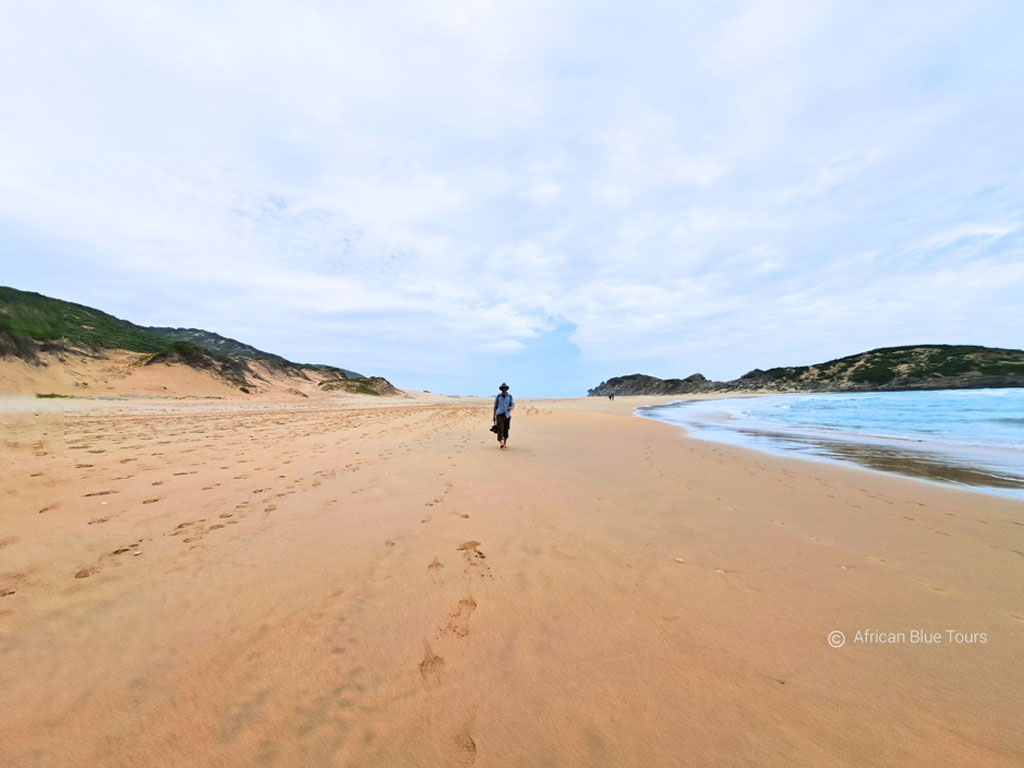
Why We Love These Adventures

The Garden Route is not just beautiful – it invites you to be in the landscape rather than simply admire it from afar. Each of these experiences offers connection: to the ocean, to wilderness, to adrenaline, and to stillness.

If you dream of a journey shaped by time in nature, we would love the opportunity to curate your Garden Route adventure.
Top Highlights of Cape Town

Top Highlights of Cape Town

Top Cape Town Highlights

Discover the Essence of the Mother City

Cape Town is a city of contrasts and natural beauty — where oceans meet mountains, and centuries of history blend with vibrant contemporary culture. Be it your first time visiting or a return to an old favourite, the city offers a wide range of experiences that cater to all interests and travel styles.

Here’s a look at some of the top highlights that make Cape Town such a remarkable destination.

Table Mountain – Icon of the City

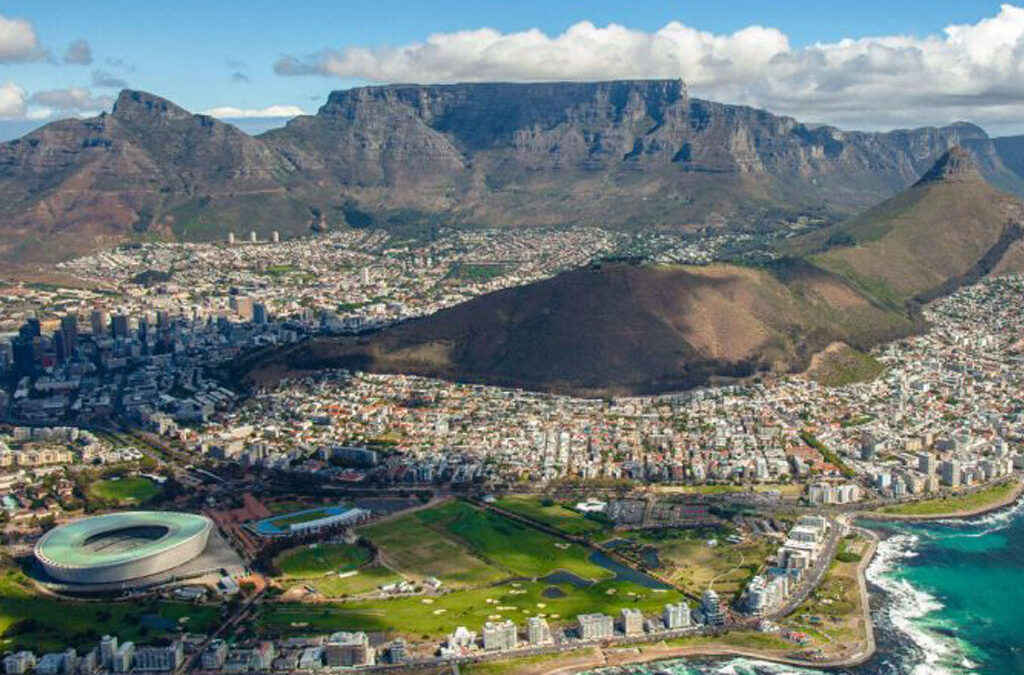
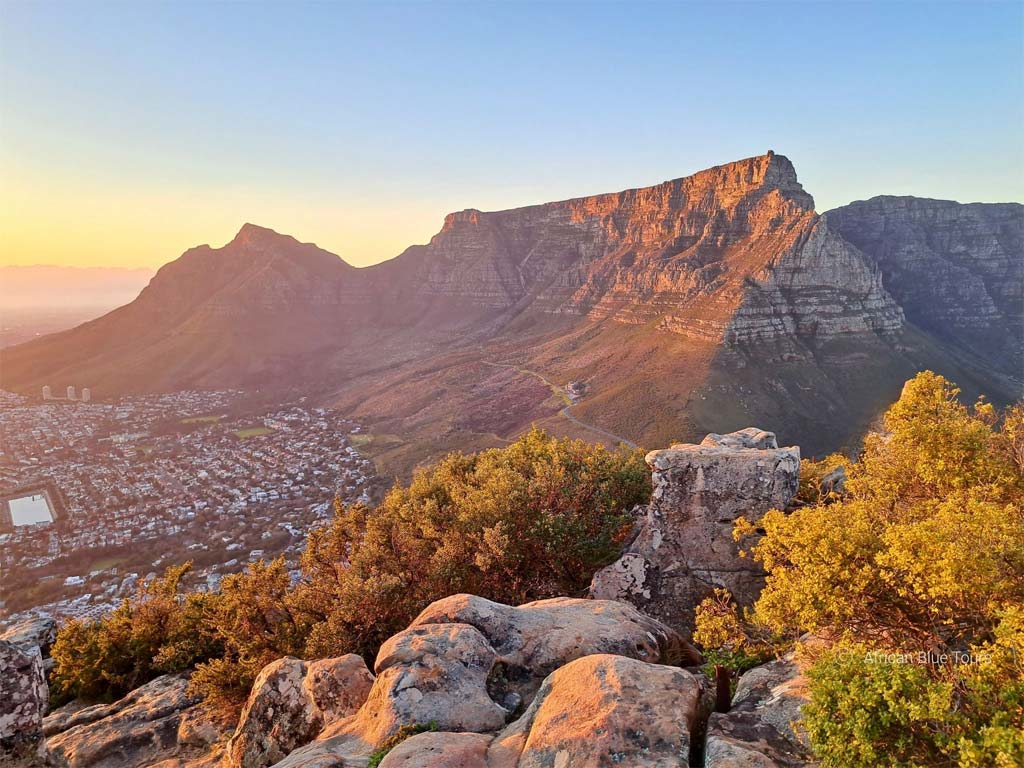
Rising over 1,000 metres above sea level, Table Mountain is the defining landmark of Cape Town. Visitors can take the cable car to the summit or hike up one of several scenic trails. On a clear day, the views stretch across the city, peninsula, and even as far as Robben Island. It’s particularly beautiful at sunrise or sunset.

Cape Point & the Cape of Good Hope

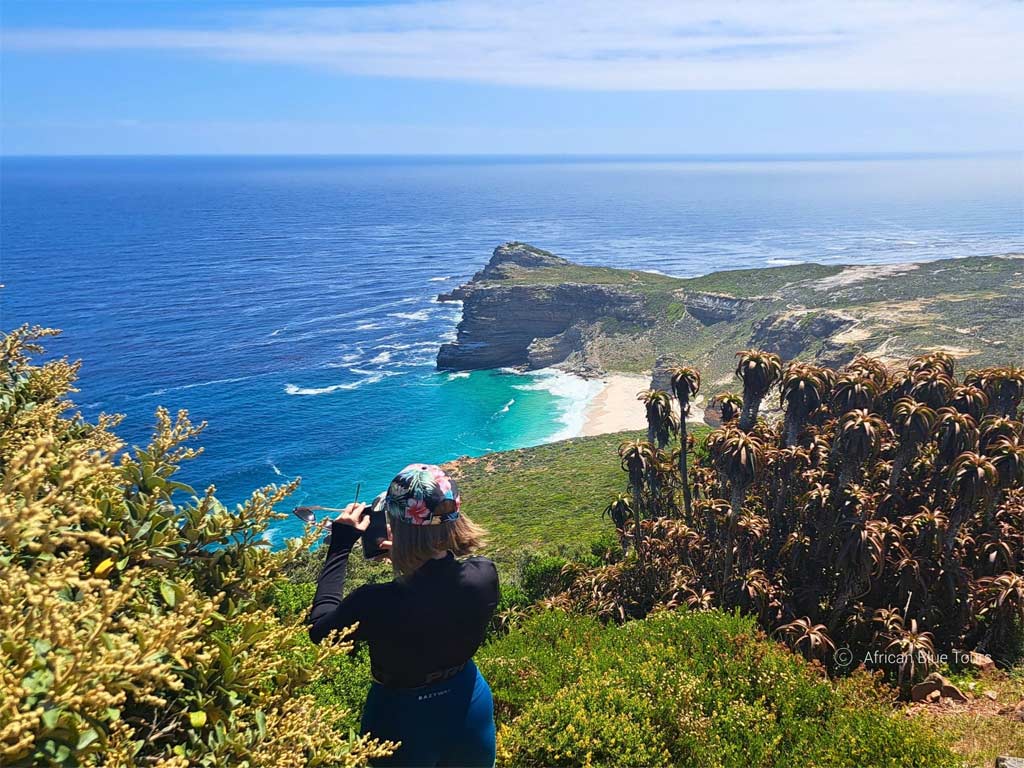
Located within the Cape of Good Hope Nature Reserve, this southernmost tip of the peninsula offers dramatic landscapes and rich biodiversity. Hike up to the old lighthouse or take the Flying Dutchman funicular taking in the panoramic ocean views and spotting wildlife. En route to the reserve, don’t miss Boulders Beach, home to a protected colony of endangered African penguins. Also be sure to stop in at Kalk Bay with it’s colourful harbour and delicious seafood offerings.

The V&A Waterfront

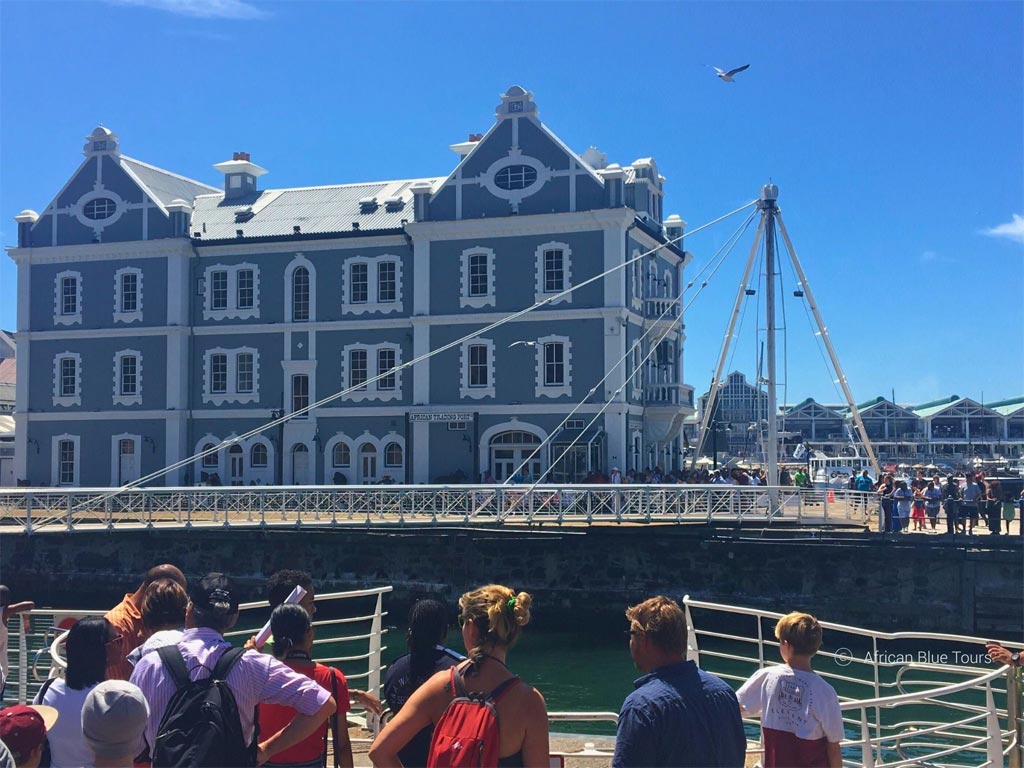
One of Cape Town’s most popular areas, the V&A Waterfront combines dining, shopping, art, and heritage in a picturesque harbour setting. Highlights include the Zeitz Museum of Contemporary Art Africa (MOCAA), boat cruises in Table Bay, and easy access to the ferry for Robben Island, the former prison where Nelson Mandela was held for 18 years.

Kirstenbosch Botanical Gardens

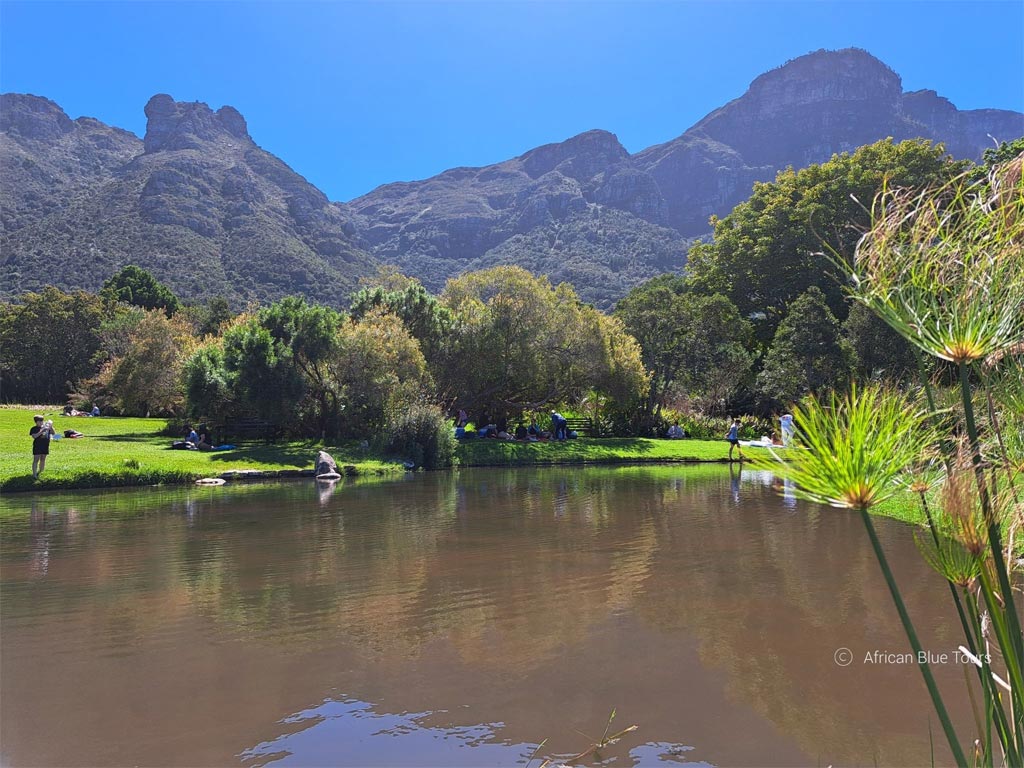
Situated on the eastern slopes of Table Mountain, Kirstenbosch is one of the most celebrated botanical gardens in the world. Its diverse collection of indigenous plants, shaded pathways, and the famous tree canopy walkway (the “Boomslang”) make it an ideal place to slow down and take in the natural beauty of the Cape Floral Kingdom.

Bo-Kaap

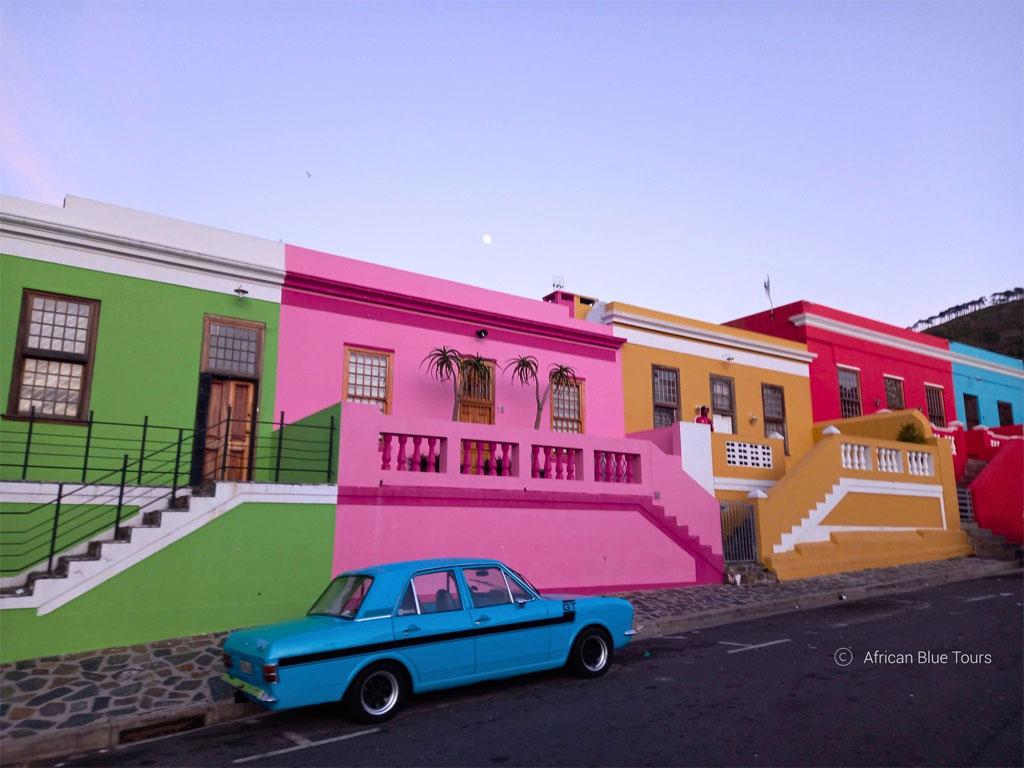
The Bo-Kaap is a small, historic neighbourhood known for its brightly painted homes and it’s rich Cape Malay heritage. It’s a vibrant place to learn about the cultural history of the city, try traditional food, or simply wander its picturesque cobbled streets. The area’s charm lies in its sense of community and living history.

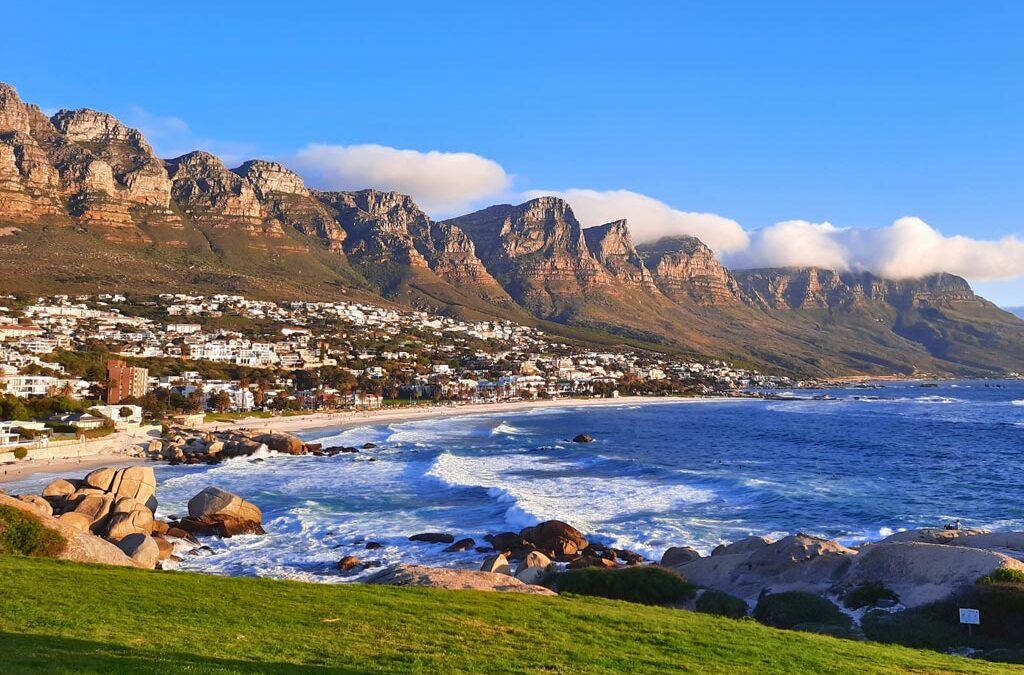
Camps Bay & Clifton Beaches

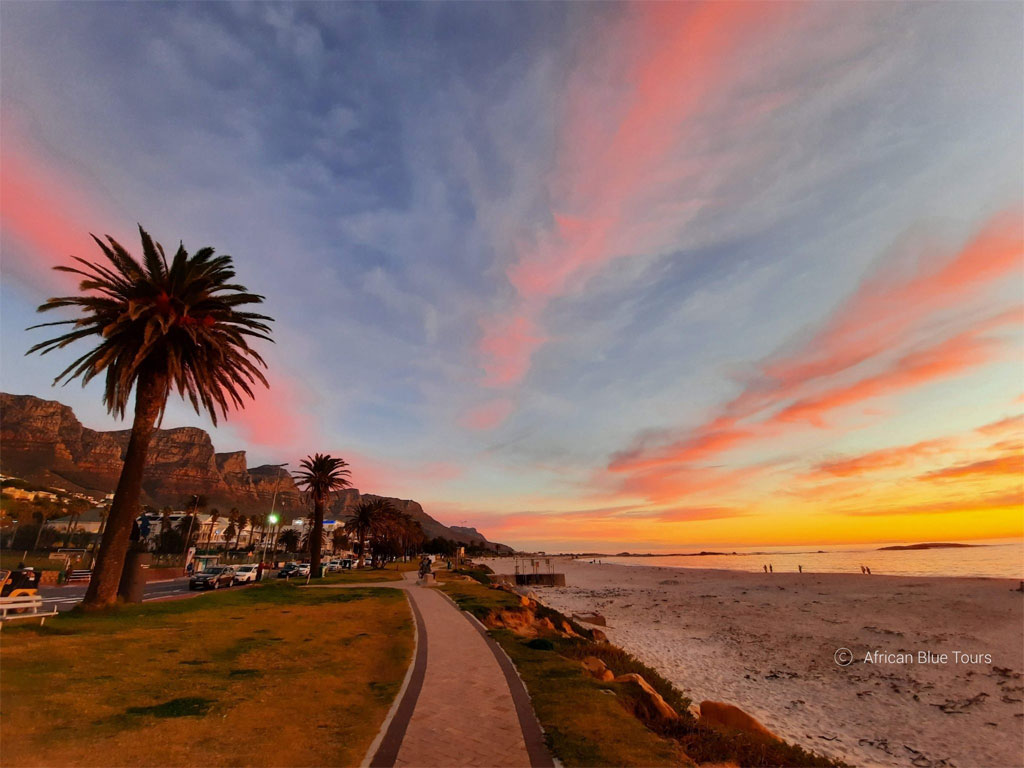
Cape Town is blessed with some of the most scenic beaches in the world. Camps Bay is the perfect spot to sip a cocktail as the sun dips into the Atlantic ocean, while Clifton’s four beaches offer more secluded spots ideal for sunbathing and swimming.

Chapman’s Peak Drive

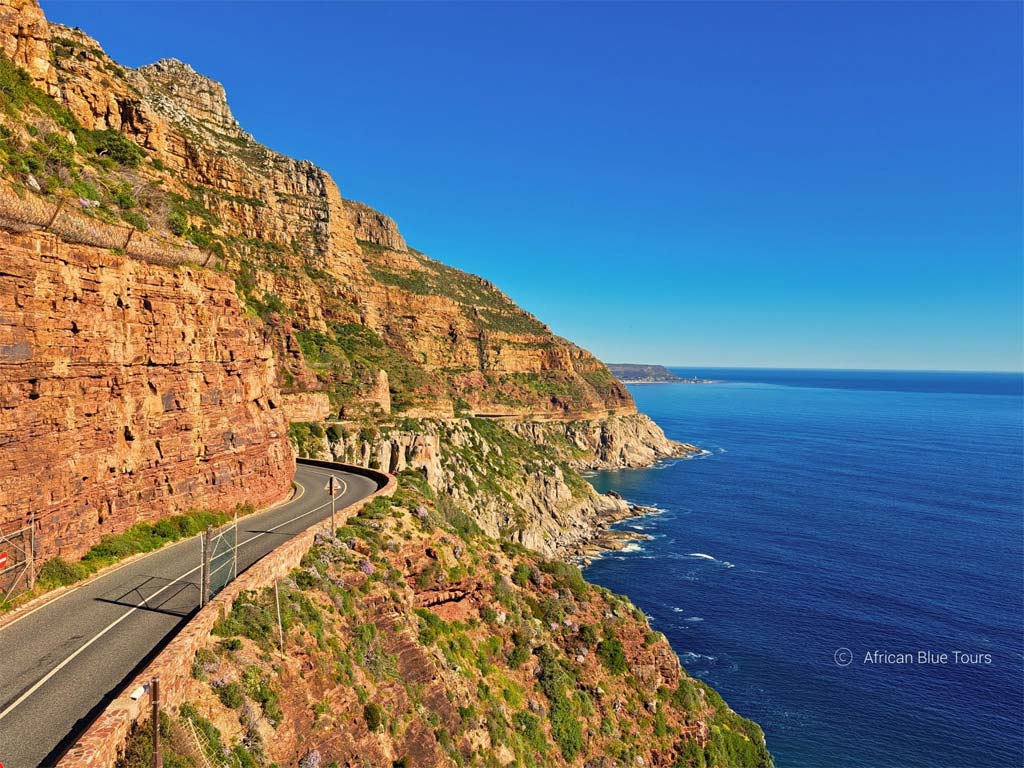
Widely regarded as one of the most scenic coastal drives in the world, Chapman’s Peak Drive is a winding route carved into the cliffs between Hout Bay and Noordhoek. There are numerous viewpoints to soak in the incredible vistas or pack a picnic for a scenic stop.

The Cape Winelands

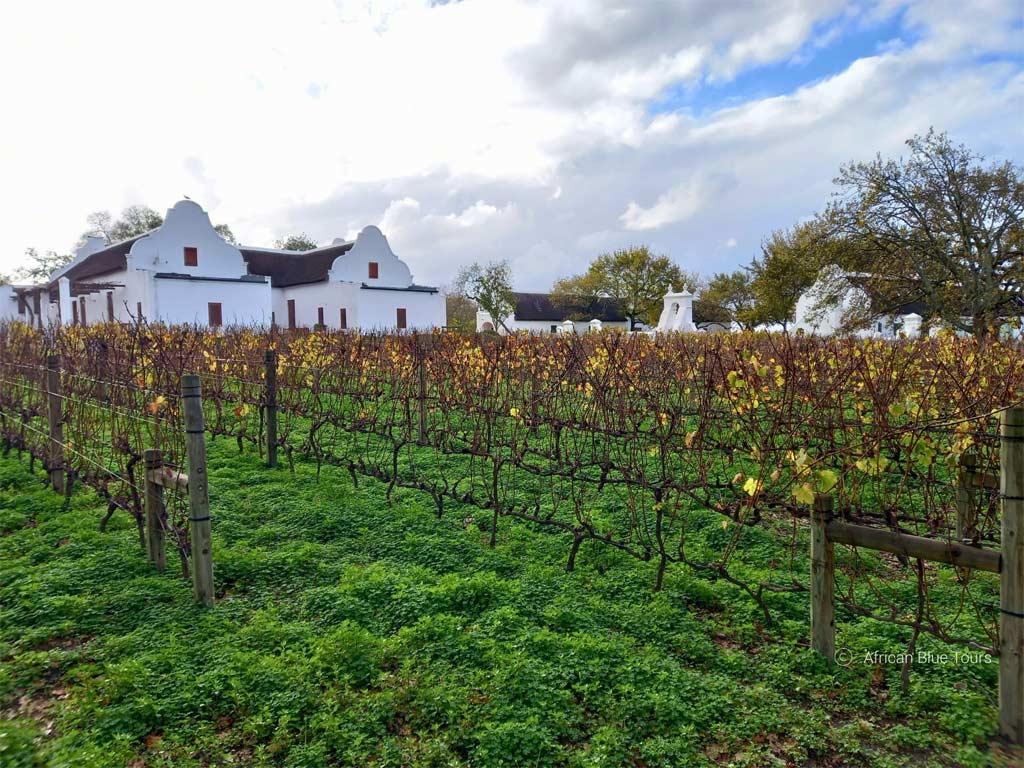
Just outside of Cape Town lie the historic wine-producing regions of Stellenbosch, Franschhoek, and Paarl. These areas offer not only exceptional wines but also beautifully preserved Cape Dutch architecture, world-class restaurants, and lush vineyard landscapes. It’s well worth a day trip — or more — to explore.

Lion’s Head

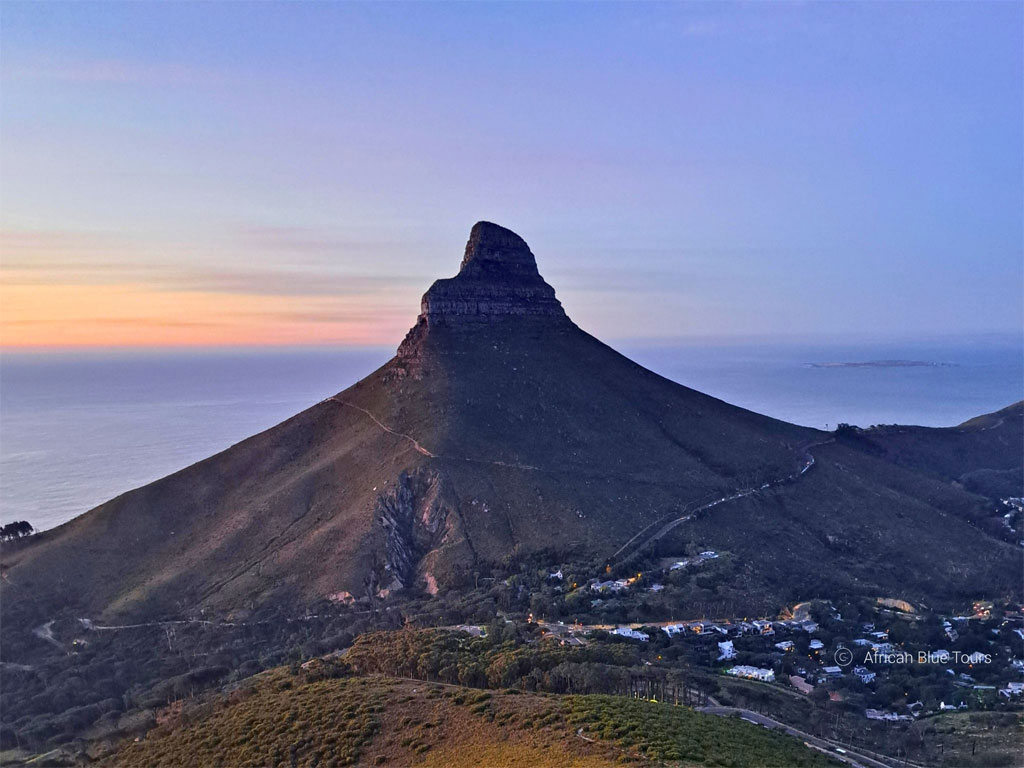
Popular with locals and visitors alike, Lion’s Head offers a moderately challenging hike with panoramic views over the city, Table Mountain, and the Atlantic Ocean. It’s particularly popular at sunrise and full moon, when the vistas are truly spectacular.

Local Markets and Neighbourhoods

Cape Town’s creative energy is on full display in its weekend markets and vibrant neighbourhoods. The Oranjezicht City Farm Market and the Neighbourgoods Market at the Old Biscuit Mill showcase everything from seasonal produce to artisanal design. Areas like Woodstock and Gardens are also home to galleries, coffee shops, and independent boutiques.

Cape Town is a city that rewards both curiosity and time — with each day offering a new perspective, a new view, or a new taste to enjoy.

Looking to explore Cape Town at your own pace, with the freedom of a private and personalised itinerary? We’d be happy to help you plan an unforgettable experience in the Mother City.

Where to Safari in South Africa

Where to Safari in South Africa

Where to Safari in South Africa

South Africa is one of the most diverse safari destinations on the continent, offering a rich variety of landscapes, wildlife, and experiences. The country’s five main safari regions—Kruger, KwaZulu-Natal, Eastern Cape, Western Cape, and Northern Cape—each offer something unique for wildlife lovers. We’ve had the privilege of exploring all of these regions, and in this post, we share our insights to help you decide where to go on your South African safari adventure.

Kruger / Greater Kruger:

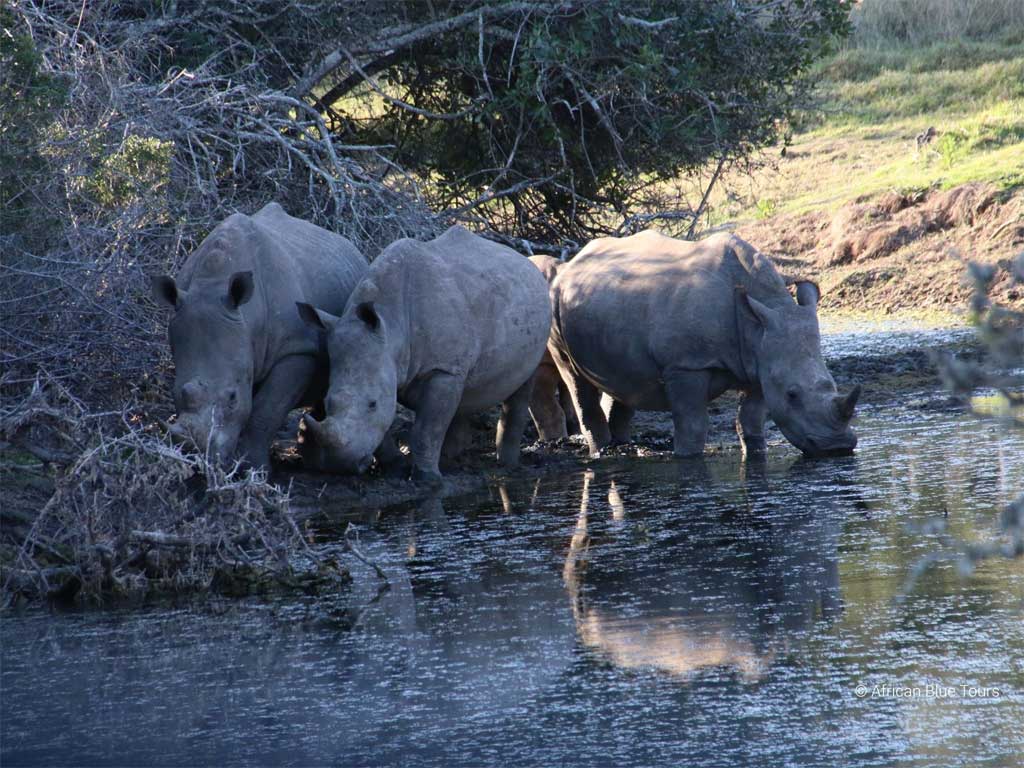
The ultimate South African safari experience, celebrated for its vegetation, sunsets, and of course, its wildlife. The array of lodges on offer in this region are top-notch. The Greater Kruger is made up of privately owned reserves that share unfenced borders with the Kruger National Park, allowing wildlife to roam freely. These reserves often have traversing agreements, meaning game vehicles can access a wider area for optimal wildlife viewing. Other than the game viewing, a highlight for us is driving through beautiful fever tree forests.

What makes it unique: One of the largest game reserves in Africa, with no fences between the public Kruger National Park and the adjacent private reserves of Greater Kruger—offering a truly wild, seamless ecosystem.

Getting there: Daily internal flights from Johannesburg or Cape Town to Kruger Mpumalanga International Airport (Nelspruit), Skukuza or Hoedspruit Airports, followed by road transfers. Some private lodges have airstrips for direct charter flights.

Kwazulu-Natal:

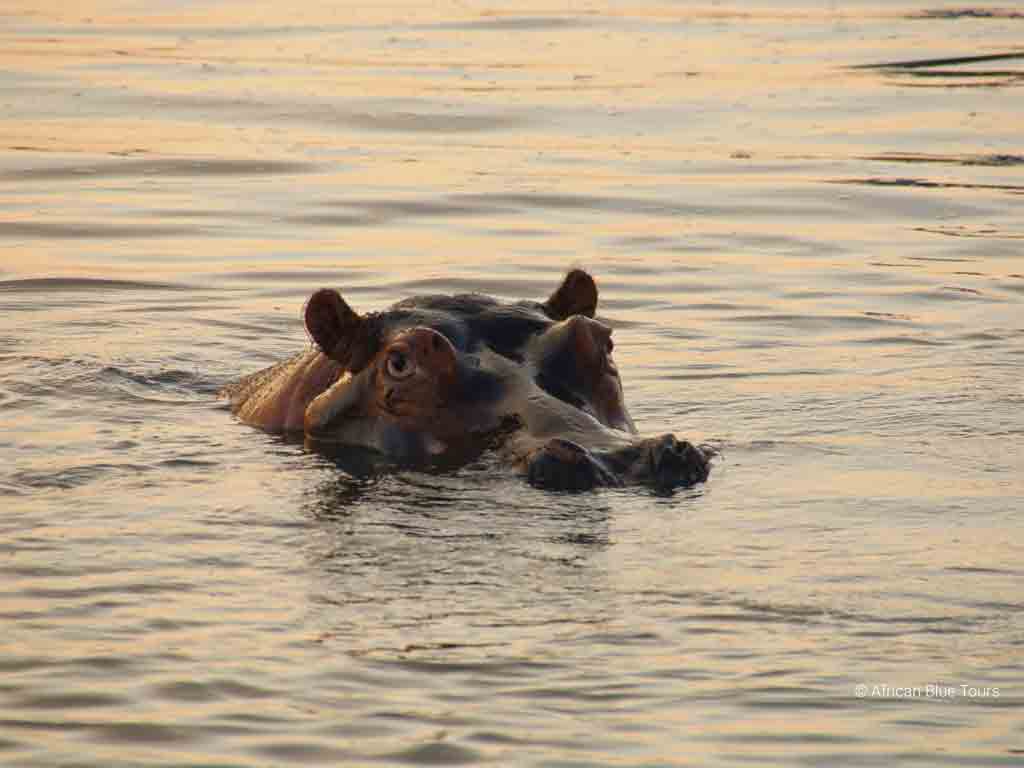
A unique experience with lush vegetation, rolling hills, and an impressive diversity of ecosystems. Highlights on our trips to this region have included viewing the hippos and diverse birdlife in the Isimangliso Wetlands Park and the packs of endangered wild dogs in Hluhluwe National Park. The handful of lodges in this area offer a world class experience, with the option to enjoy a beach and bush experience within the same stay.

What makes it unique: Lush subtropical terrain and the opportunity to combine beach and bush experiences in one trip.

Getting there: Internal flight to Durban, followed by a 2–3 hour road transfer depending on your lodge’s location. Federal Air offers internal flights to the private reserve, Phinda.

Western Cape:

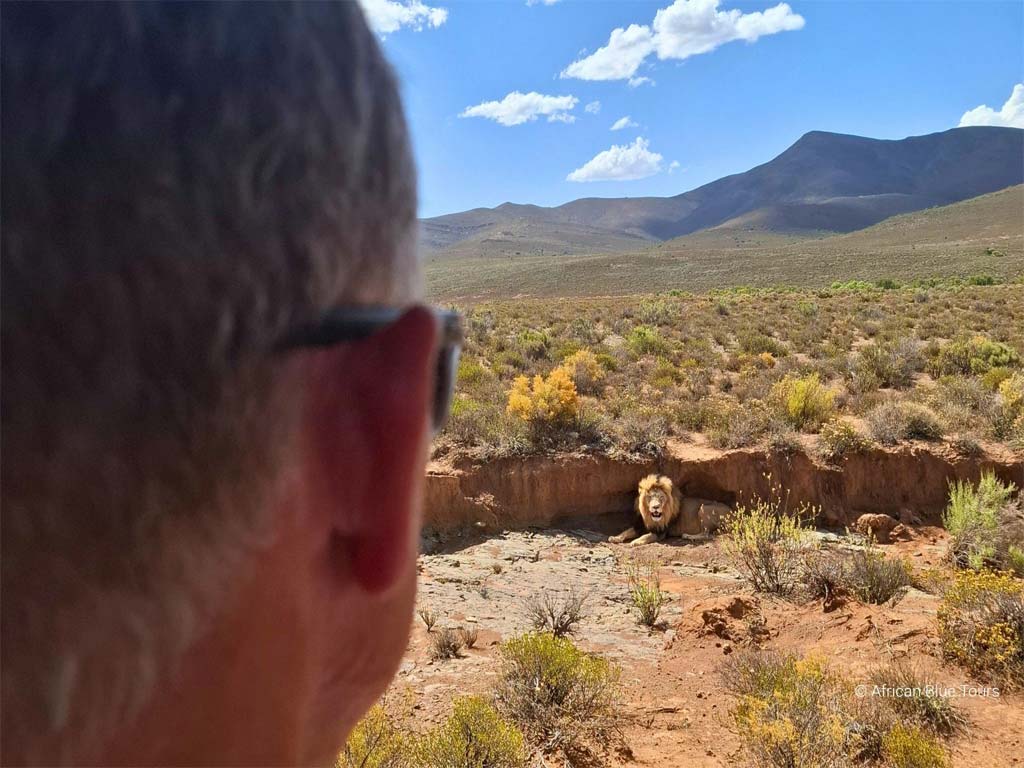
With the rising demand for safari experiences close to Cape Town, there have been a few more premium lodges added to the Western Cape safari stable. The semi-desert arid setting of these lodges gives one the sense of endless space, with a nightsky that glitters from horizon to horizon. Sitting around a fire pit under this diamond sky has always been a highlight for us. At some of the newer lodges, the big cats are in a separate, fenced off area whilst the wildlife stocks increase before the cats will be free-roaming.

What makes it unique: The semi-desert landscape and it’s convenient proximity to Cape Town.

Getting there: Most lodges are within a 3- hour drive of Cape Town. Private ground transfers or scenic helicopter flights to some of the lodges can be arranged.

Eastern Cape:

It’s lush vegetation and aloes are a picturesque canvas on which to marvel at the game rich sights that await you in this region. Whether you’re accessing your lodge by river or by road, you won’t be disappointed with the quality here. The area is Malaria-free making this an attractive option, especially for families with small children. We took our daughter here when she was only 9 months old and a highlight was the boat trip up the river to the lodge we stayed at.

What makes it unique: Malaria-free with river valleys and options of riverside lodges—some of which are accessed by boat.

Getting there: Internal flight to Port Elizabeth (Gqeberha), followed by road and/or boat transfers to the lodge.

Northern Cape:

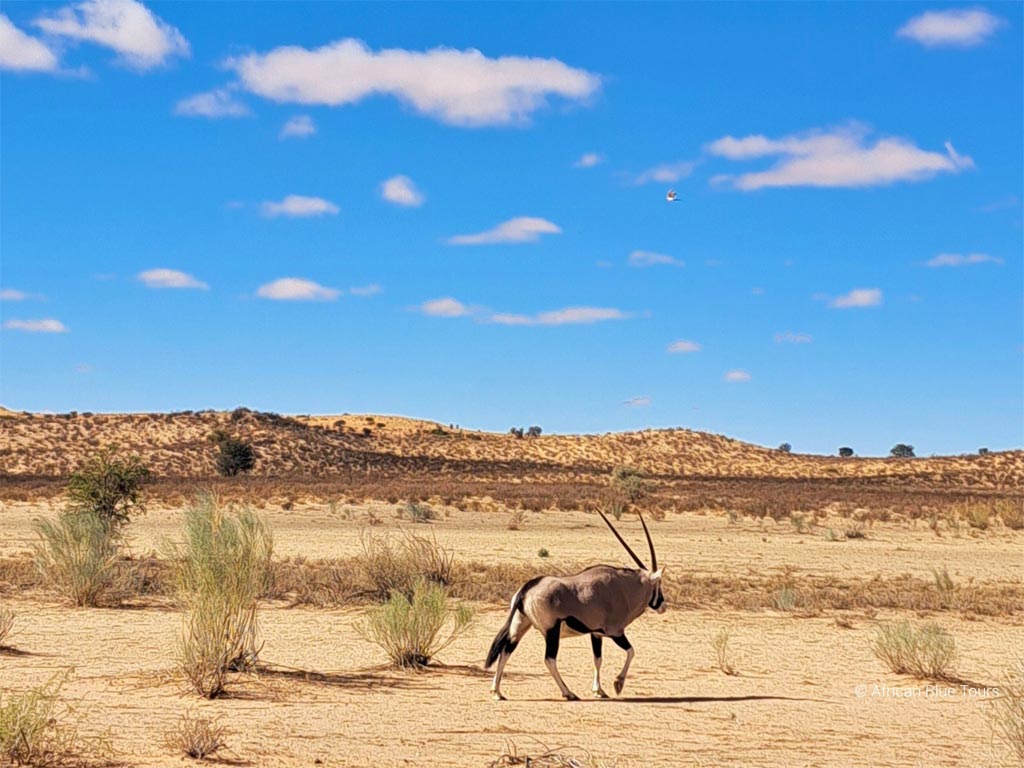
Home to the Kalahari Desert, this is the place for off-the-beaten-path adventurers. With its red sandy dunes and primary blue skies, the Northern Cape offers a stark yet striking beauty. From meercats to big cats, with the dust hanging on golden light at dusk and the fiery skies at dawn, this area makes for a photographer’s dream. We recently visited this region and we simply can’t wait to return. Next time we’ll ensure we have better photographic equipment (rather than using binoculars combined with a mobile phone camera lens to capture leopards in trees)!

What makes it unique: Remote wilderness with red sand dunes and the abundance of the beautiful Oryx.

Getting there: Charter flight direct to South Africa’s largest private game reserve, Tswalu Kalahari or internal flight to Upington or Kimberley, followed by road transfers.

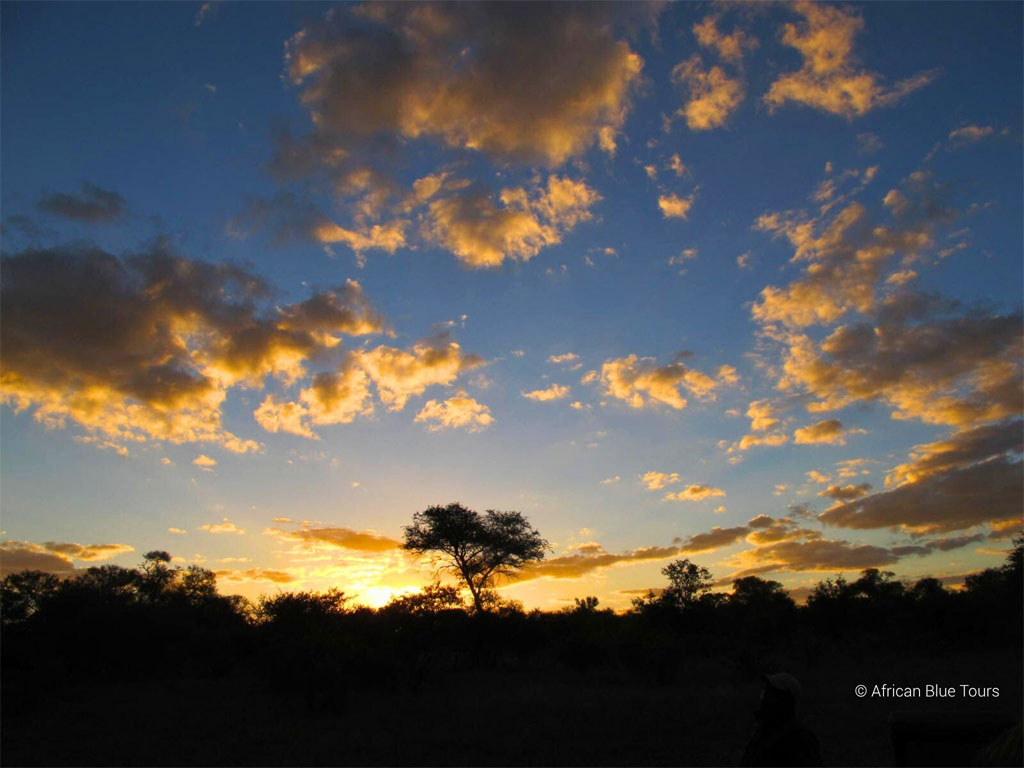
A gin and tonic never tasted better than when you’re sipping it watching the sunset over the African bushveld. Let us help you plan your dream African Safari so you can experience it for yourself.

Whales have arrived!

Whales have arrived!

Whales have arrived!

Although we are still experiencing certain levels of lockdown as we navigate our way through the COVID-19 pandemic around the world, it is so good to see nature taking centre stage the past few months with some amazing animal sightings a lot closer to home than one would have expected.

We have also just received our first snow of the winter which funnily enough coincided with the return of the migratory Southern Right Whales to our shores from Antarctica. Maybe it was nature’s way of welcoming these giants back, waving the white flag so to speak that all is still fine along our South African shores for these gentle giants to come and safely calve in our sheltered bays.

Did you know?

Although the Southern Right Whales are spotted along most of our South African coastline, Hermanus is considered one of the best land-based whale-watching destinations in the world.

Whale-watching in Hermanus

Hermanus, along the beautiful shores of Walker Bay, is the official whale-watching capital of Africa. Surrounded by majestic mountains and indigenous fynbos, it is the heart of the whale coast and offers the best land-based whale-watching in the world.

The annual Whale Festival, usually held in September, is highly popular and attracts over 100, 000 visitors. Created to raise awareness and to help protect marine life, the Hermanus Whale Festival is the only enviro-arts festival in South Africa. Although the festival draws top South African musicians, crafters and sports celebrities, the whales are always the star attractions of the event and cause thousands of visitors to return to Hermanus year after year.

In addition to breathtaking whale watching from the cliffs and the boats, Hermanus offers many natural attractions such as mountain walks and bird watching, as well as great surfing spots and plenty of excellent accommodation available.

The art of whale-watching

When looking to sight a Southern Right Whale, the easiest method is to scan the ocean surface for their v-shaped blow or spout – a tall, smoky plume lasting a few seconds. This is the whale breathing out just as it surfaces and one can also confirm this species by their lack of a dorsal fin. If you see a whale thrust high out of the water and fall back with a great splash, you were lucky enough to see a whale breaching.

Averaging around 15 metres in length and up to 60 tonnes in weight, individual whales can be identified year after year by the callosities pattern on their heads, kind of like their fingerprint. In fact, they have strong maternal connections with the locations and gene pools they are born into with females usually returning to their birth spots to calve.

Other activities in Hermanus

If you’re drawn to Hermanus for its whale sightings, there are plenty of reasons for you to stay and explore this quaint, pretty town. For the adventurous types, you can go mountain biking or abseiling, enjoy sea cruises to Dyer and Geyser Islands to see sharks, penguins and seals, take the plunge and go scuba diving, kick up some dirt while quad biking and take in the landscape while horse riding.

For the less adventurous, the smooth bays and tranquil lagoons offer lovely kayaking opportunities or a gentle boat cruise from nearby Stanford if you’re a bird lover. Fernkloof Nature Reserve is popular among hiking and photography enthusiasts, and golfers will be thrilled to discover an award-winning course at the Arabella Country Estate.

There are also many markets, such as the Fernkloof Farmers’ Market, Hermanuspietersfontein Boeremark and Lemm’s Corner Craft Market every Saturday and the Onrus Market once a month.

Wine & Craft Beer Tasting!

The Hemel-en-Aarde Valley behind Hermanus has become famous in its own right with fantastic award-winning wines being produced year after year. This valley is best known for its elegant, cool-climate wines made from Chardonnay and Pinot Noir, although the Sauvignon Blanc, Pinotage and Cabernet Sauvignon also contribute to the valley’s many awards. Estates such as Creation, Newton Johnson, Bouchard Finlayson, Southern Right and many more are waiting to be enjoyed over a slow lunch or dinner.

For craft beer lovers, the nearby Hemel & Aarde Microbrewery and Hermanus Brewery offer award-winning lagers and ales, along with the more established Birkenhead Brewery in Stanford, just east of Hermanus.

Want to discover the beautiful whales of Hermanus?

The Southern Right Whales have arrived so contact us to book a Private Hermanus Whale & Wine tour or possibly we can customise a multi-day tour to this area and include so many more highlights.

Share your experience with us on social media with #AfricanBlueJourneys

Quick facts about South Africa

Quick facts about South Africa

QUICK FACTS ABOUT SOUTH AFRICA

South Africa is a diverse country at tip Africa – the world’s second-largest as well as the most populous continent. South Africa counts several bordering countries such as Namibia, Botswana, Zimbabwe, Mozambique, and Swaziland. With a population of almost 60 million, South Africa is truly part of the African continent. Moreover, our Constitution is considered one of the most progressive in the world and recognises the use of eleven official languages.

The country has emerged from a turbulent past and since the first democratic elections in 1994, unity is sought through diversity in a place where all people are now equal.

What to do in South Africa?

With a long coastline that stretches almost 3000 kilometres across two oceans and a climate that ranges from desert to subtropical, South Africa is truly a unique place to visit.

From breathtaking beaches of KwaZulu-Natal and Western Cape to expansive game reserves like Kruger National Park and picturesque winelands like in Stellenbosch, South Africa offers both domestic and international tourists a wide variety of options.

One fun fact!

Did you that South Africa is three times the size of Texas and five times the size of Japan? Surprising!

Emergency numbers

The South African Police are reachable at any time on 10111.

Time

South Africa’s time is GMT + 2.

Getting there

South African airports gather many of the world’s major airlines with direct flights to every continent on a daily basis. South Africa’s three main gateway airports are:

Oliver Tambo International Airport (JNB) in Johannesburg

Cape Town International Airport (CTIA)

King Shaka International Airport (DUR) in Durban

Now that you have read some quick facts about South Africa, click on the following links to find out about our private Cape Town day tours, options for longer multi-day packages through South Africa, and our many safari options here!

Let African Blue Tours provide you with the best of Southern Africa on one our private tour and safari experiences.

Share your experience with African Blue Tours and tag us on social media with #AfricanBlueJourneys.